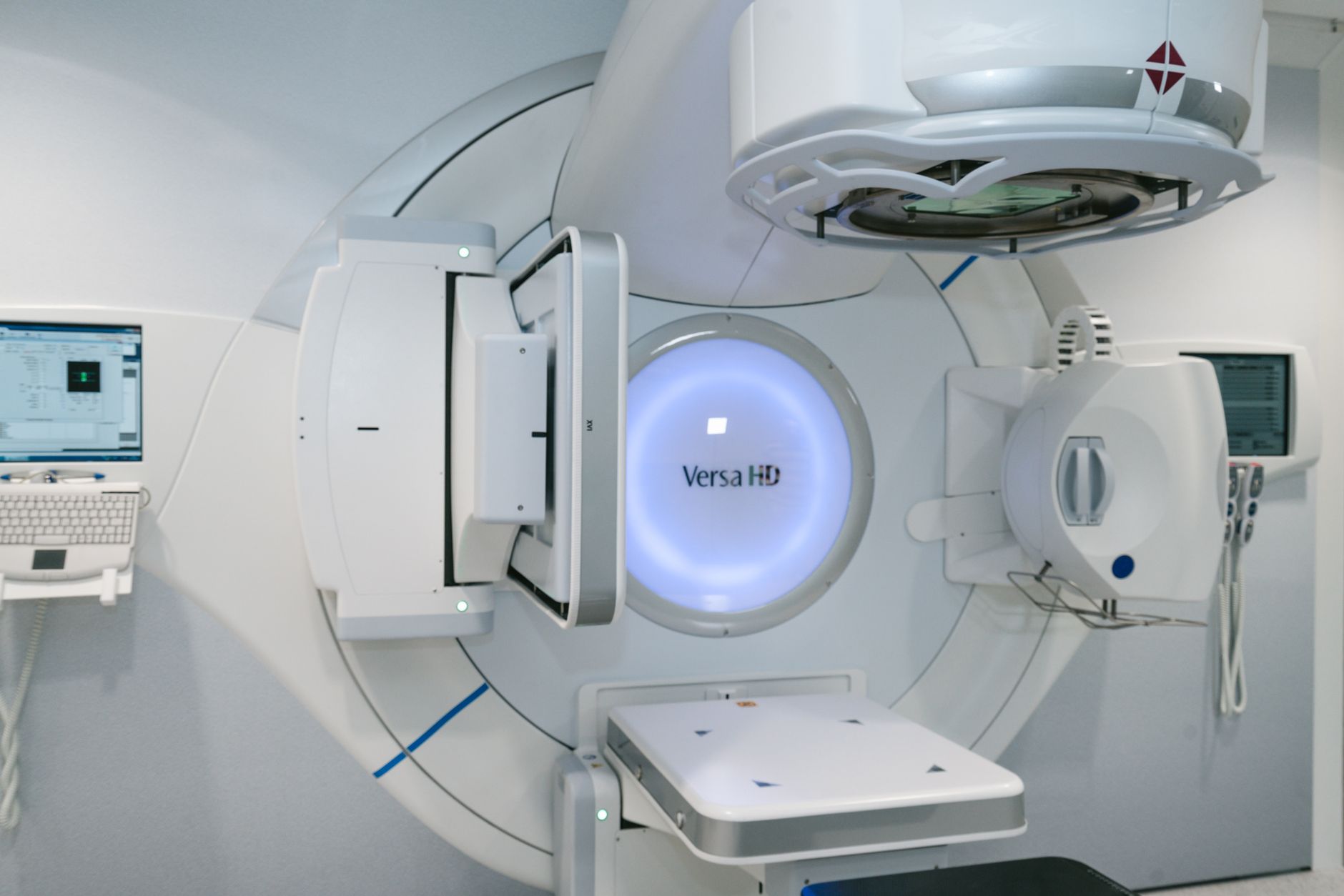
lung cancer screening is often overlooked by never-smoking Asian women. This article explores the reasons why these women choose to skip annual screenings and the potential consequences.
Understanding Lung Cancer Risks
Lung cancer screening is essential for early detection, but many women, particularly never-smokers, often overlook it. Understanding the risks associated with lung cancer can help demystify the reasons behind this trend.
Several factors contribute to the hesitancy surrounding lung cancer screening among women:
- Perceived Low Risk: Many never-smokers believe they are at a significantly lower risk for lung cancer, leading them to deprioritize screenings.
- Awareness and Education: There is a lack of awareness about the benefits of lung cancer screening, particularly among women. Educational campaigns often focus on high-risk groups, leaving others uninformed.
- Cultural Stigmas: In some communities, there is a stigma attached to cancer screenings, with a belief that discussing health issues is taboo.
- Access to Healthcare: Barriers such as lack of insurance or access to facilities can deter women from seeking necessary screenings.
Addressing these factors through education and outreach can encourage more women to participate in lung cancer screening, ultimately leading to better health outcomes.
The Importance of Regular Screenings
The importance of regular screenings cannot be overstated, especially when it comes to lung cancer. Many women, particularly those who have never smoked, often underestimate their risk and forego lung cancer screening. This oversight can have serious consequences, as early detection is crucial for effective treatment and improved survival rates.
Screening can lead to the identification of lung cancer at a stage where it is more manageable. According to health experts, early-stage lung cancer is often asymptomatic, making regular screenings even more vital for at-risk populations.
Despite the availability of screening programs, several factors contribute to women avoiding these critical tests. Some of the common reasons include:
- Misconceptions about risk: Many believe that only smokers are at risk for lung cancer.
- Lack of awareness: Information about lung cancer screening may not be adequately disseminated among certain demographics.
- Fear and anxiety: Concerns about the screening process or what the results may reveal can deter individuals from participating.
Addressing these concerns is essential to encourage more women to take part in lung cancer screenings and safeguard their health.
Cultural Attitudes Towards Health Care
Cultural attitudes towards health care significantly influence the decisions women make regarding lung cancer screening. Many women, particularly in certain cultural contexts, may prioritize family needs over personal health. This can lead to a reluctance to seek necessary medical attention, including screenings for lung cancer.
In some communities, there exists a strong belief in avoiding medical interventions unless absolutely necessary. This can stem from:
- Stigmas associated with illness: Fear of being labeled as sick can discourage individuals from pursuing preventative measures.
- Traditional beliefs: Some women may trust in natural remedies or family care over formal medical screenings.
- Lack of awareness: Limited access to information about the benefits of lung cancer screening may prevent women from understanding its importance.
Additionally, language barriers and cultural misconceptions can contribute to a sense of alienation within the healthcare system. Many women may not feel comfortable discussing their health concerns, which can further deter them from seeking lung cancer screening.
Addressing these cultural attitudes is essential for increasing participation in lung cancer screenings and improving health outcomes for women at risk.
Barriers to Accessing Health Services
Many women face significant barriers when it comes to accessing lung cancer screening services. Understanding these obstacles is crucial for improving screening rates and ultimately saving lives. Some of the most common barriers include:
- Lack of Awareness: Many women are unaware of the benefits of lung cancer screening, especially those who have never smoked.
- Financial Constraints: The cost of screenings can be prohibitive, particularly for those without adequate insurance coverage.
- Transportation Issues: Accessing health care facilities can be challenging, especially for those living in rural areas or without reliable transportation.
- Language Barriers: Non-native speakers may struggle to understand medical information or communicate their health concerns effectively.
- Fear and Stigma: Some women may avoid screenings due to fear of a positive diagnosis or feelings of stigma associated with lung cancer.
Addressing these barriers is essential for encouraging more women to participate in lung cancer screening and ensuring they receive the care they need. By creating more accessible health services, we can help improve outcomes for those at risk.
Impact of Smoking Status on Screening Decisions
The decision to undergo lung cancer screening is often influenced by an individual’s smoking status. For many, the association between smoking and lung cancer creates a misconception that only smokers need to prioritize screening. This belief can lead never-smokers, particularly women, to underestimate their risk and skip essential screenings.
Research indicates that even among populations with low smoking rates, such as Asian women, the reluctance to pursue lung cancer screening persists. This can be attributed to several factors:
- Misperceptions about Risk: Many never-smokers believe they are at negligible risk for lung cancer, causing them to forgo screenings that could potentially save their lives.
- Stigma Associated with Smoking: The cultural stigma surrounding smoking can deter women from discussing their health needs, including screening, with healthcare providers.
- Lack of Awareness: There is often a general lack of awareness about lung cancer screening recommendations, especially for those without a smoking history.
Addressing these issues is crucial to improving lung cancer screening rates among all demographics, ensuring that women, regardless of their smoking status, recognize the importance of regular check-ups.
What Can Be Done to Improve Screening Rates
To enhance lung cancer screening rates among women, several strategies can be implemented. Addressing the underlying barriers is crucial for encouraging more women to participate in regular screenings.
- Education and Awareness: Increasing awareness about the importance of lung cancer screening can help shift cultural perceptions. Educational campaigns should target communities where misconceptions about lung cancer persist.
- Access to Care: Improving access to healthcare facilities and offering screenings at convenient locations can significantly raise participation rates. Mobile screening units could reach underserved areas.
- Financial Assistance: Providing financial support or insurance coverage for lung cancer screening can alleviate cost concerns that may deter women from seeking these vital services.
- Community Outreach: Engaging with community leaders and organizations can foster trust and encourage women to prioritize their health. Personalized outreach efforts may resonate more effectively than general campaigns.
- Support Systems: Creating support groups for women can provide encouragement and motivation to undergo screening. Sharing experiences may help diminish fears and stigmas associated with lung cancer.
By addressing these areas, we can improve lung cancer screening rates and ultimately save lives.