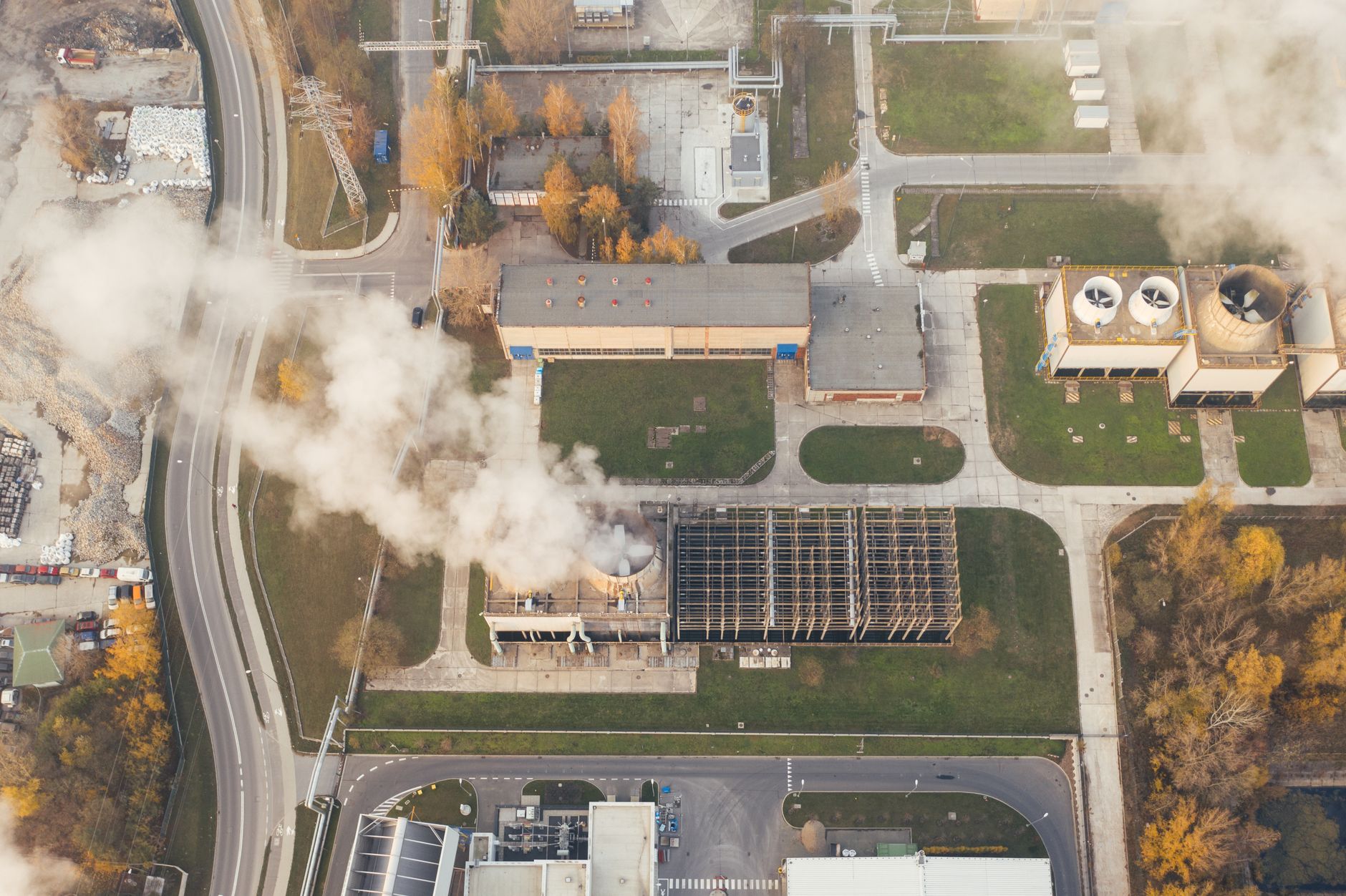
The toxic plume Iowa faces could have serious implications for residents. Recent events have raised concerns about environmental safety in the area.
What Happened with the Explosives?
In a recent turn of events, the Army detonated a cache of lead explosives, raising significant concerns about environmental safety across the region. The operation, aimed at eliminating outdated munitions, inadvertently created a toxic plume that could affect large areas of Iowa. This incident has sparked widespread fear among residents regarding potential health risks and environmental degradation.
According to officials, the detonation was carefully planned, yet the unforeseen release of contaminants into the atmosphere has led to ongoing assessments of air quality. The toxic plume is expected to disperse across various counties, posing risks to both human health and local ecosystems.
Residents living near the blast site have reported symptoms that may be related to exposure to hazardous materials, prompting local health officials to issue warnings and advice for precautionary measures. The community is advised to stay informed about air quality updates and to take necessary steps to minimize exposure.
Key points regarding the incident include:
- The detonation involved a significant quantity of lead explosives.
- Local authorities are conducting air quality tests to monitor the effects of the toxic plume.
- Health officials are urging residents to remain vigilant and report any health concerns.
- Long-term environmental impacts are still under investigation.
This incident serves as a critical reminder of the potential risks associated with military operations in populated areas.
Health Risks Associated with Toxic Plumes
The recent explosion of a cache of lead explosives in Iowa has raised significant concerns regarding the potential health risks associated with the toxic plume generated as a result. Experts warn that exposure to substances released during such detonations can have serious consequences for both the environment and public health.
Individuals living in areas downwind from the explosion may be particularly vulnerable to the effects of the toxic plume. Potential health risks include:
- Respiratory Issues: Inhalation of toxic particles can lead to difficulties in breathing, chronic cough, and other respiratory conditions.
- Neurological Effects: Exposure to lead and other heavy metals can cause neurological problems, particularly in children, affecting cognitive development and behavior.
- Cardiovascular Problems: Long-term exposure to toxic substances can increase the risk of heart disease and other cardiovascular conditions.
- Cancer Risk: Certain chemicals associated with toxic plumes are known carcinogens, potentially increasing the risk of developing various types of cancer.
As the situation develops, health officials urge residents to stay informed and take precautions to limit their exposure to the toxic plume. Monitoring air quality and following guidance from local health authorities will be crucial in managing potential health risks associated with this environmental incident.
Community Reaction to the Incident
In the wake of the Army’s recent detonation of a cache of lead explosives, communities across Iowa are expressing deep concern regarding the potential formation of a toxic plume. Residents have taken to local forums and social media to voice their fears about the long-term environmental impacts on their health and the safety of their water supply.
Many community members have organized meetings to discuss the implications of the incident, emphasizing the need for transparency and swift action from local authorities. Some have shared their personal experiences with health issues that they believe are linked to environmental hazards in the area.
- Jenna Smith, a local resident, stated: “We deserve to know if we are at risk. This toxic plume could affect our children and grandchildren.”
- Mark Johnson, a farmer: “If this plume contaminates our soil, it could devastate our crops and livelihood.”
- A community leader remarked: “We need comprehensive testing and monitoring to ensure the safety of our air and water.”
Environmental groups are also rallying to push for stricter regulations and oversight of such military activities, arguing that the risks posed by the toxic plume in Iowa are unacceptable. As the situation develops, residents remain vigilant, advocating for their rights to a safe environment.
Safety Measures Being Implemented
In response to the growing concerns surrounding the toxic plume in Iowa, local authorities have implemented a series of safety measures aimed at protecting residents and the environment. These measures are designed to mitigate the risks associated with the contamination and ensure public health remains a priority.
Firstly, the Iowa Department of Natural Resources has initiated regular air quality monitoring in the affected areas. This monitoring includes:
- Continuous sampling of air and soil to identify any changes in toxin levels.
- Collaboration with environmental agencies to assess the plume’s spread and potential impact.
Additionally, local health departments are providing educational resources to residents, informing them about the potential health risks and how to reduce exposure. Some key points include:
- Staying indoors during high wind conditions when the plume may be more prevalent.
- Using air purifiers and keeping windows closed to limit indoor contamination.
The city has also set up a hotline for residents to report any health concerns or unusual symptoms related to the toxic plume. Local officials emphasize the importance of community engagement in these efforts, urging residents to stay informed and follow safety guidelines closely.
As the situation evolves, authorities remain committed to transparency and will continue updating the public on any changes in safety protocols.
Expert Opinions on Environmental Impact
Experts have weighed in on the implications of the recent detonation of lead explosives in Iowa, raising concerns about the potential environmental impact of the toxic plume. According to Dr. Emily Hart, an environmental scientist, “The release of lead and other toxic substances into the atmosphere poses significant risks not only to local ecosystems but also to human health.”
Dr. Hart went on to emphasize that the long-term effects of such contamination are difficult to predict. “Heavy metals like lead can accumulate in soil and waterways, creating problems that last for generations,” she noted. “It is essential to monitor the area closely to assess the full extent of the toxic plume in Iowa.”
Environmental attorney Mark Jensen echoed these sentiments, stating, “This incident illustrates a broader issue regarding safety protocols in handling explosive materials. The potential for a toxic plume to affect air quality is a serious concern that warrants immediate attention.”
In light of these events, the community is urged to stay informed. Experts recommend that residents take the following precautions:
- Limit outdoor activities, especially for vulnerable populations such as children and the elderly.
- Stay updated on air quality reports from local authorities.
- Engage in community discussions to address concerns with environmental leaders.
As investigations continue, the focus remains on understanding the full scope of the environmental risks posed by the toxic plume in Iowa.
Future Precautions for Residents
As the situation surrounding the toxic plume in Iowa continues to unfold, residents are understandably concerned about their safety and the potential long-term implications for their community. Future precautions are being discussed by local officials and environmental experts to ensure that residents are protected from any harmful effects.
- Regular Monitoring: Authorities plan to implement a comprehensive monitoring system that will regularly check air and water quality in the affected areas. This will help to identify any changes in toxicity levels and allow for timely interventions.
- Community Education: Informational sessions will be held to educate residents about the risks associated with the toxic plume. These sessions will provide guidance on recognizing symptoms of exposure and understanding how to mitigate risks.
- Emergency Response Plans: Local governments are working on enhancing emergency response plans to address potential future incidents. This includes clear communication channels and designated safe zones for evacuation if necessary.
- Support Services: Mental health resources and support services will be made available for residents experiencing anxiety or distress related to the toxic plume situation. Community resilience is key in facing environmental challenges.
By taking these proactive steps, officials hope to alleviate concerns and safeguard the health and well-being of those living in proximity to the toxic plume in Iowa.
The toxic plume in Iowa has raised significant concerns among local residents and environmental experts alike. As investigations continue, many are questioning whether the toxic plume in Iowa poses the worst environmental risk in recent history.
References
Related reading
Meta Indian laws: Are They the Right Approach for Congress? · Оцените топовые казино онлайн 2026 для игры на реальные деньги · Оцените топовые казино онлайн 2026 для игры на реальные деньги