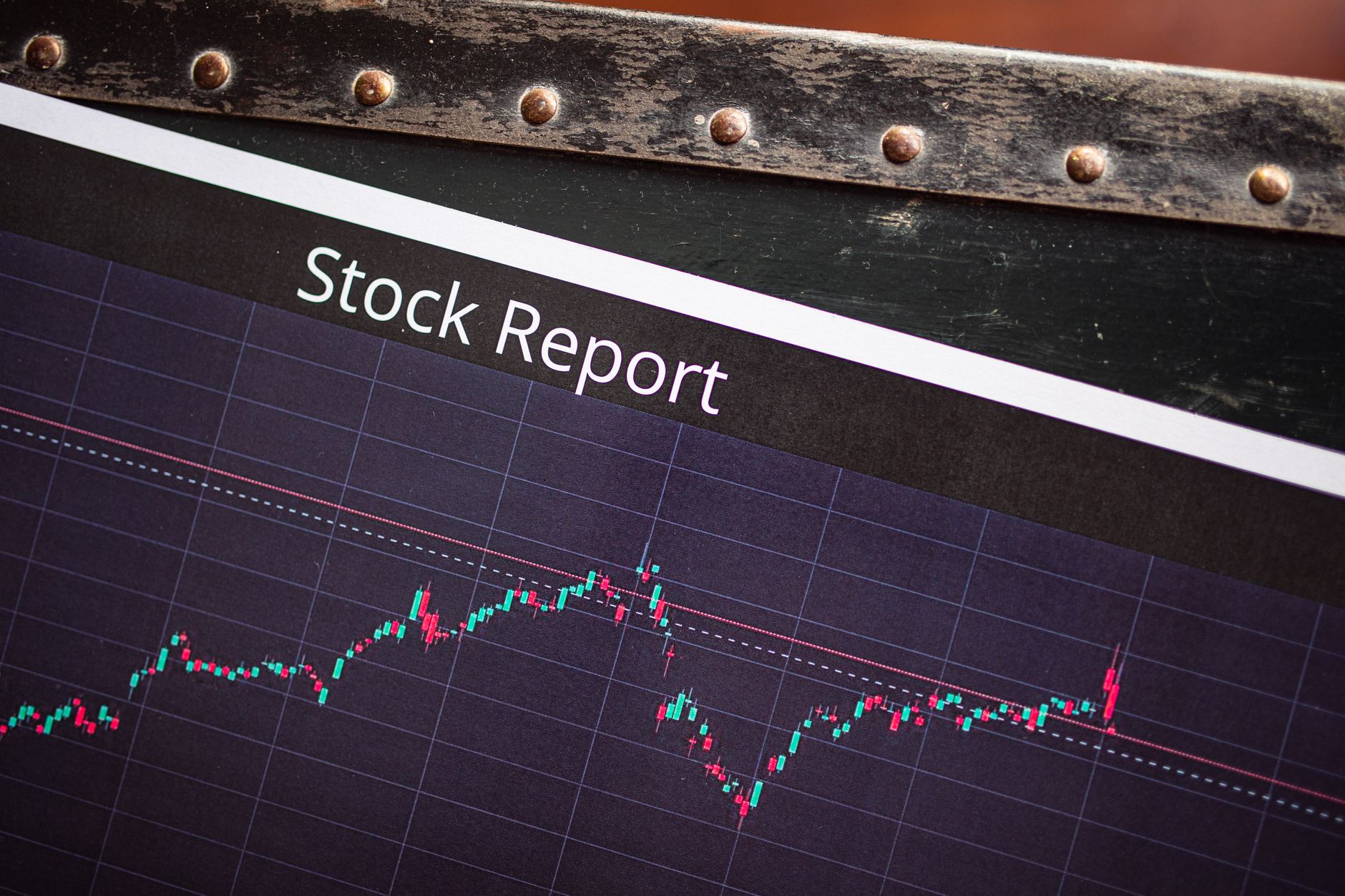
stocks back-to-back losses have investors worried as oil prices surge and yields hit highs. Understanding these trends is crucial for informed decision-making.
Market Overview
In the latest market overview, stocks are experiencing back-to-back losses, driven by a surge in oil prices and the rise of the 10-year Treasury yield, which has reached a 19-year high. Investors are reacting to these developments, leading to a sell-off across various sectors.
The increase in oil prices is largely attributed to geopolitical tensions and supply chain disruptions, which have caused concerns about inflation and economic stability. As oil becomes more expensive, it impacts not only consumer spending but also the overall cost of goods and services.
Additionally, the climb in the 10-year yield signals rising borrowing costs, making it more expensive for businesses and consumers to take loans. This can slow down economic growth and further exacerbate the challenges faced by the market. Analysts are closely monitoring these trends, as they could influence the Federal Reserve’s future decisions on interest rates.
As stocks face back-to-back losses, investors are advised to reassess their strategies. Some may consider diversifying their portfolios or looking for opportunities in defensive sectors that typically weather economic downturns better. Others might opt for a wait-and-see approach, hoping for a market correction that could present buying opportunities.
In these uncertain times, maintaining a balanced investment strategy is crucial for navigating the ongoing volatility.
Impact of Rising Oil Prices
The recent surge in oil prices has significantly contributed to the ongoing market volatility, leading to stocks experiencing back-to-back losses. As investors react to the implications of rising costs, several factors are influencing market sentiment.
Firstly, the increase in oil prices raises concerns about inflation, which could result in the Federal Reserve tightening monetary policy more aggressively. This potential shift could further strain stock market performance as higher interest rates might dampen consumer spending and corporate profits.
Additionally, the impact of elevated oil prices is not limited to energy companies alone. Industries reliant on oil and gas for operations, such as transportation and manufacturing, may face increased operational costs. This ripple effect can lead to reduced margins and subsequently lower earnings projections.
Market analysts are keenly observing how these developments will influence investor behavior. Some are advocating for a more cautious approach, suggesting that diversifying portfolios could mitigate risks associated with fluctuating oil prices. Others believe that focusing on sectors less affected by oil price hikes, such as technology and healthcare, may provide a buffer against volatility.
In conclusion, as stocks face back-to-back losses amid rising oil prices, investors need to re-evaluate their strategies. Staying informed and agile in the current climate is crucial for navigating potential market downturns.
10-Year Yield Trends
The recent trend in the 10-year yield has significantly influenced market dynamics, contributing to stocks back-to-back losses. The yield has reached a 19-year high, prompting concerns among investors about the potential impact on economic growth and corporate profits.
As the yield rises, borrowing costs increase, making it more expensive for businesses to finance expansion and for consumers to manage debt. This environment can lead to a slowdown in spending, which in turn affects stock market performance. Analysts are closely monitoring the following factors:
- Inflation Rates: Persistent inflation continues to put pressure on the Federal Reserve to maintain a hawkish stance, influencing yield movements.
- Economic Data: Upcoming reports on employment and consumer spending will be crucial for determining future yield trends and market sentiment.
- Investor Sentiment: As yields rise, investor confidence may wane, leading to more volatility in equities.
While stocks face back-to-back losses, some analysts suggest that a strategic approach may help investors navigate these turbulent waters. This includes diversifying portfolios to include fixed-income securities that may benefit from the rising yields and remaining vigilant about economic indicators that could signal changes in market conditions.
Investor Reactions
As stocks face back-to-back losses, investors are growing increasingly anxious about the direction of the market. The recent surge in oil prices, coupled with the 10-year yield reaching a 19-year high, has many questioning their investment strategies. In response to these developments, a variety of reactions have emerged among market participants.
Some investors are opting for a cautious approach, choosing to reallocate their portfolios to safer assets. This shift is particularly evident in:
- Increased demand for bonds: Many are turning to government bonds as a means of preserving capital amidst market volatility.
- Gold investments: Precious metals are once again becoming a popular hedge against inflation and economic uncertainty.
- Defensive stocks: Investors are seeking out companies with strong fundamentals that tend to perform better during downturns.
Conversely, some traders are viewing the recent market downturn as a buying opportunity. They believe that the current back-to-back losses may lead to a favorable entry point for long-term investments. However, this optimistic outlook is tempered by the awareness that further volatility could lie ahead.
Ultimately, navigating this uncertain landscape requires careful analysis and a clear strategy. Investors are encouraged to assess their risk tolerance and stay informed about market conditions as they make decisions in this challenging environment.
Future Market Predictions
As stocks face back-to-back losses, analysts are considering several potential outcomes for the market in the near future. The ongoing volatility, driven largely by surging oil prices and rising interest rates, is causing a reevaluation of strategies among investors.
Industry experts suggest that understanding the underlying factors contributing to these losses is crucial for making informed decisions moving forward. Some key predictions include:
- Continued Volatility: Investors should brace for ongoing fluctuations in stock prices as economic indicators remain uncertain.
- Sector Rotation: Certain sectors, such as energy and utilities, may outperform as they are less sensitive to rising rates, prompting a shift in investment strategies.
- Interest Rates Impact: With the 10-year yield hitting a 19-year high, borrowing costs could rise, affecting corporate earnings. This could lead to cautious investment in growth stocks.
- Focus on Value Stocks: In the current environment, value stocks may offer better stability and dividends, appealing to risk-averse investors.
- Global Economic Factors: Investors should monitor international markets and geopolitical tensions, as these factors can significantly impact U.S. stock performance.
As the situation unfolds, it remains essential for investors to stay informed and adapt their strategies to navigate these challenges effectively.
Strategies for Investors
As stocks face back-to-back losses, investors are left reevaluating their strategies in response to the evolving market landscape. Experts suggest several approaches to navigate these turbulent times effectively:
- Diversification: One of the key strategies is to diversify your portfolio. By spreading investments across various sectors, investors can mitigate potential losses in any single asset class.
- Defensive Stocks: Investing in defensive stocks, such as those in the utilities or consumer staples sectors, can provide stability. These companies tend to perform better during economic downturns and can act as a buffer against market volatility.
- Dollar-Cost Averaging: This strategy involves regularly investing a fixed amount of money, regardless of market conditions. By doing so, investors can take advantage of lower prices during downturns, potentially increasing their long-term gains.
- Stay Informed: Keeping a close eye on economic indicators and market trends is crucial. Understanding how factors like rising oil prices and interest rates impact the market can help investors make informed decisions.
- Consult with Professionals: Seeking advice from financial advisors can provide personalized strategies tailored to individual risk tolerance and investment goals.
In these challenging times, adapting to market conditions is essential for those looking to navigate through stocks’ back-to-back losses successfully.
Investors are increasingly concerned about the implications of stocks back-to-back losses on their portfolios. Adopting a diversified investment strategy may help mitigate the risks associated with stocks back-to-back losses.
Photo by RDNE Stock project on Pexels
References
You might also like
FBI hiring policy: Right or Wrong in Bestiality Cases? · Bengali Muslim man disappearance: A Real Cause for Concern · Slotsdj Casino Independent Auditor Report for Norway


One thought on “Stocks Back-to-Back Losses: What’s the Best Strategy Now?”