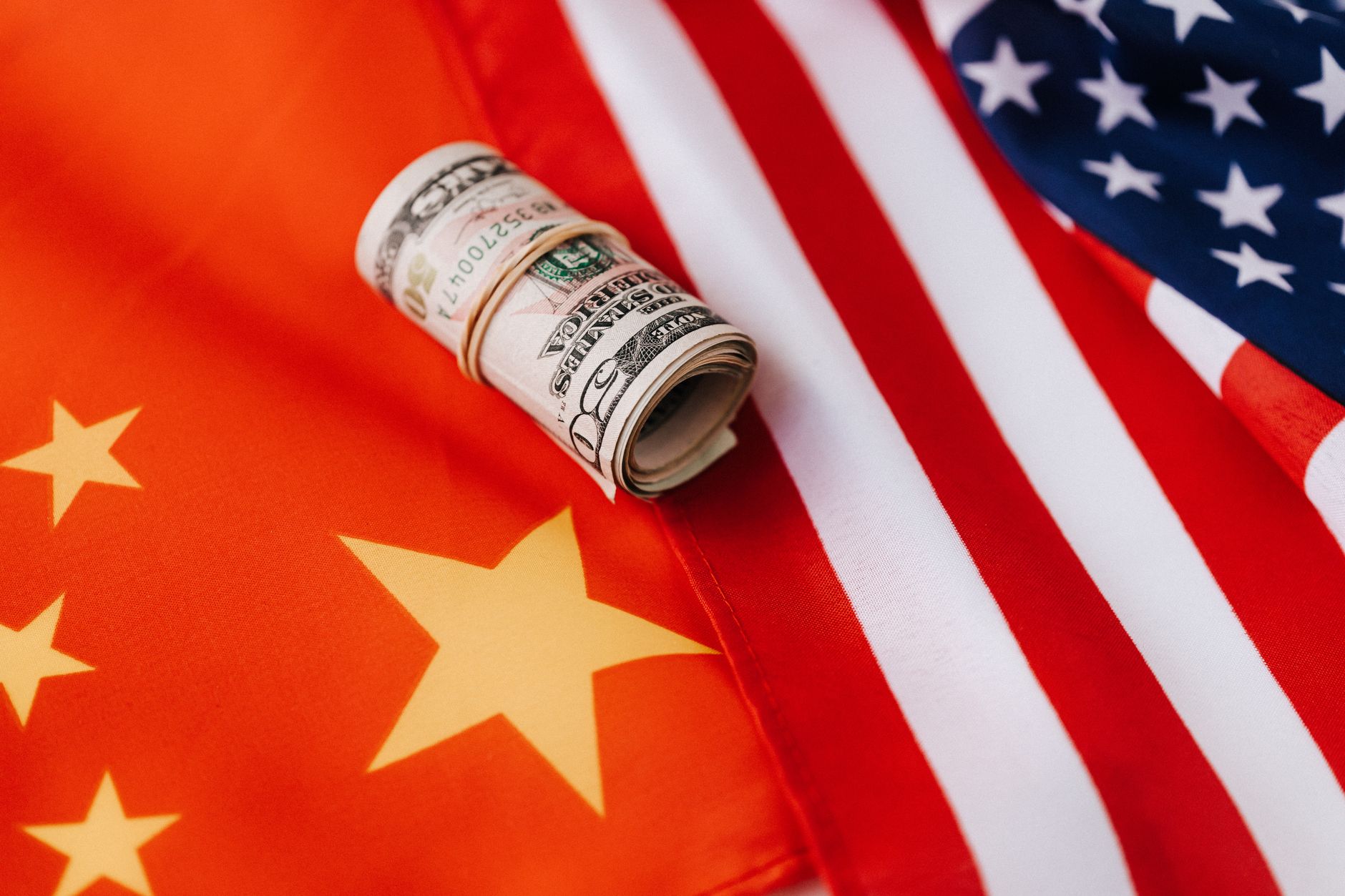
The US-China summit impact will be significant for global markets in the coming week. Investors are closely watching developments that could influence economic conditions.
Overview of the Upcoming Week
The upcoming week is set to be pivotal for investors, particularly with the highly anticipated US-China summit on the horizon. This summit is expected to address a range of critical issues that could significantly impact global markets and investor sentiment.
Key topics of discussion will likely include trade relations, technology sharing, and climate change initiatives. As both countries navigate these complex issues, the outcomes of the summit could provide clear insights for investors looking to strategize in this uncertain environment.
In addition to the summit, investors should also keep an eye on the following developments:
- Oil Prices: Fluctuations in oil prices could influence market dynamics, particularly in energy sectors.
- Bond Yields: Changes in bond yields may signal shifts in economic outlooks and affect investment decisions.
- Flash PMIs: Preliminary Purchasing Managers’ Index data will give insights into economic performance across sectors.
- NSE Listing: The potential listing on the National Stock Exchange (NSE) may attract investor attention.
Overall, the upcoming week promises to be crucial for understanding the US-China summit impact on the broader market landscape.
Key Economic Indicators to Watch
The upcoming US-China summit is poised to influence various economic indicators that investors should closely monitor. Understanding these indicators will provide critical insights into market trends and potential investment opportunities.
Among the key economic indicators to watch are:
- Gross Domestic Product (GDP): Both nations are likely to discuss economic growth trajectories, making GDP data essential for assessing overall economic health.
- Trade Balance: With tariffs and trade policies under scrutiny, updates on the trade balance will indicate the potential for future trade agreements.
- Inflation Rates: Inflation trends in both countries can affect monetary policies, impacting investment strategies.
- Unemployment Rates: Job market conditions will provide context on economic stability and consumer spending power.
- Manufacturing and Services PMIs: These indicators will help gauge the economic pulse just before and after the summit.
Investors should remain vigilant as the outcomes of the US-China summit may lead to significant market shifts, reinforcing the importance of keeping an eye on these economic indicators for informed decision-making.
Impact of Oil Prices on Markets
The recent US-China summit has sent ripples through the global markets, particularly affecting oil prices and their subsequent impact on investors. As discussions between the two superpowers unfolded, traders closely monitored the potential outcomes, given the significance of both economies in the energy sector.
Oil prices have seen considerable volatility in response to the summit. Factors such as geopolitical tensions, trade agreements, and energy policies were main topics of discussion, which could lead to shifts in supply and demand dynamics. Analysts predict that any positive developments could bolster oil prices, while setbacks may exert downward pressure.
Investors are advised to consider the following key points regarding the impact of oil prices on markets:
- Price Fluctuations: Sudden changes in oil prices can influence inflation rates, affecting consumer spending.
- Sector Performance: Energy stocks may experience increased volatility, providing both risks and opportunities for traders.
- Global Economic Outlook: Any agreements reached during the summit could enhance global economic stability, thereby influencing oil demand.
In summary, the US-China summit impact on oil prices will be pivotal for investors navigating the current market landscape.
Bond Yields and Their Significance
The upcoming US-China summit is expected to have significant implications for bond yields, which are crucial indicators for investors. As discussions unfold, the market will be closely monitoring the potential outcomes, as these could lead to volatility in bond markets.
Bond yields reflect investor confidence and economic expectations. A rise in yields typically indicates that investors anticipate higher inflation or stronger economic growth, while falling yields suggest the opposite. The dynamics of the US-China relationship can greatly influence these expectations.
Analysts predict that if the summit yields positive developments, we might see an uptick in bond yields as investors shift their focus toward riskier assets, anticipating a robust economic recovery. Conversely, any signs of tension or unresolved issues could lead to a decline in yields, as investors seek safety in bonds amidst uncertainty.
Additionally, the impact of the US-China summit on trade policies and tariffs could affect inflation rates, further influencing bond yields. Therefore, keeping an eye on these developments is essential for investors looking to navigate the complexities of the current market environment.
In summary, the US-China summit could play a pivotal role in shaping bond yields and, consequently, investor strategies in the coming weeks.
Flash PMIs: What to Expect
As investors look ahead to the upcoming US-China summit, attention is turning to the flash Purchasing Managers’ Index (PMI) data scheduled for release. This economic indicator serves as a barometer for the health of the manufacturing and services sectors, providing critical insights that could shape market sentiment.
Analysts will be closely monitoring the following key aspects:
- Manufacturing PMI: A reading above 50 indicates expansion, while below 50 signals contraction. Investors will be eager to see if the US and Chinese manufacturing sectors show signs of resilience or weakness.
- Services PMI: Given the service sector’s importance in both economies, a robust services PMI could suggest strong consumer confidence and spending, potentially offsetting any manufacturing downturns.
- Global Impact: The outcomes of the US-China summit may also influence these readings, as trade relations and tariffs are key components affecting economic performance.
In light of the US-China summit impact, positive PMI readings could bolster market confidence, while disappointing figures might lead to increased volatility. Investors should prepare for potential market shifts as this critical data is released.
NSE Listing Developments
The upcoming US-China summit is expected to have significant implications for various sectors, particularly in the context of recent developments surrounding the National Stock Exchange (NSE) listing. Investors are closely monitoring how diplomatic relations may influence market dynamics, especially for companies planning to enter the public trading space.
Several firms are in the pipeline for NSE listings, and the outcomes of the summit could play a role in shaping investor sentiment. Key points to consider include:
- Market Confidence: A successful summit may bolster investor confidence, encouraging more companies to pursue public offerings.
- Sectoral Impact: Industries such as technology and manufacturing might see heightened interest, depending on trade discussions.
- Foreign Investment: Easing tensions could lead to increased foreign capital inflows, benefiting newly listed companies.
- Regulatory Changes: Potential regulatory shifts stemming from summit negotiations could affect the listing process and timelines.
As the US-China summit approaches, the impact on the NSE listing developments will be a key area for investors to watch, particularly in understanding the overall market landscape influenced by global diplomatic relations.
Conclusion and Investor Recommendations
As the US-China summit approaches, investors are advised to stay alert to the potential ramifications on global markets. The outcomes of this high-stakes meeting could significantly influence trade relations and economic policies, thereby impacting investor sentiment and market dynamics.
In light of the discussions expected at the summit, investors should consider the following recommendations:
- Diversify Portfolios: Given the uncertainties that often accompany US-China relations, diversifying investments across various sectors may mitigate risks.
- Monitor Trade Developments: Keep a close eye on any announcements or agreements emerging from the summit, as these could lead to immediate market reactions.
- Focus on Resilient Sectors: Sectors such as technology and renewable energy may present opportunities, especially if favorable trade policies are established.
- Stay Informed on Economic Indicators: Pay attention to economic indicators that could be influenced by the summit, including inflation rates and export-import figures.
In conclusion, the US-China summit impact is poised to shape the investment landscape in the coming weeks. Adopting a proactive approach will be crucial for navigating this evolving situation.
The US-China summit impact has created new opportunities for investors looking to navigate the evolving geopolitical landscape. As trade relations shift, understanding the US-China summit impact will be crucial for making informed investment decisions.
Photo by https://kaboompics.com/ on Pexels


One thought on “US-China Summit Impact: Clear Insights for Investors”