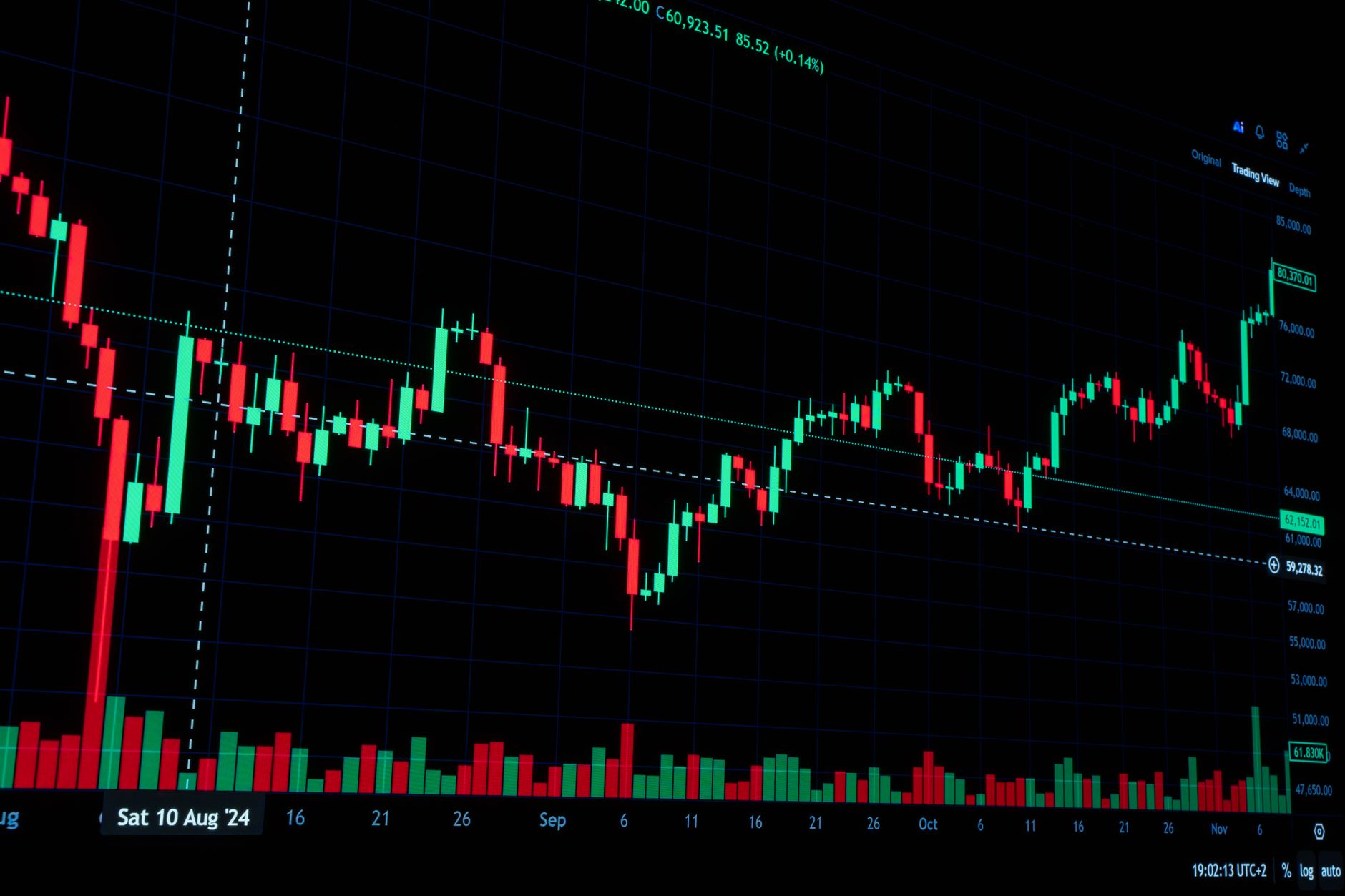
U.S. stock futures fall as high yields batter tech stocks, indicating a turbulent market ahead. Investors are closely monitoring the implications of the Trump-Xi summit.
Understanding the Current Market Trends
In recent trading sessions, U.S. stock futures fall as investors react to rising yields, which have significantly impacted the technology sector. Analysts suggest that the combination of high interest rates and uncertainty surrounding global economic policies has created a challenging environment for tech stocks.
As yields continue to climb, the cost of borrowing increases, putting pressure on companies heavily reliant on financing for growth. This has led to a reevaluation of tech stock valuations, prompting many investors to pull back.
Key factors contributing to this downturn include:
- Interest Rates: The Federal Reserve’s stance on maintaining higher rates has unsettled markets.
- Global Tensions: The upcoming Trump-Xi summit raises concerns about potential trade repercussions.
- Market Sentiment: A general shift in investor confidence towards more stable sectors.
As the situation evolves, market participants will be closely monitoring both domestic and international developments that could further influence stock performance.
Impact of High Yields on Tech Stocks
The recent rise in bond yields has created a challenging environment for technology stocks, which are particularly sensitive to interest rate fluctuations. As U.S. stock futures fall, investors are increasingly concerned about the impact of high yields on the tech sector. This trend is driven by a combination of factors that have led to a re-evaluation of growth expectations for many tech companies.
High yields typically signify higher borrowing costs, which can dampen consumer spending and corporate investment. This is especially pertinent for tech firms that rely heavily on growth financing. The following points outline the key impacts:
- Increased borrowing costs: Tech companies may face higher expenses for capital, leading to reduced profit margins.
- Valuation adjustments: As yields rise, the present value of future earnings diminishes, prompting a decline in stock prices.
- Shifts in investor sentiment: Investors may pivot towards value stocks, moving away from high-growth tech investments.
These dynamics are reshaping the landscape for tech stocks in the current market climate.
What Investors Should Watch for Next
As U.S. stock futures fall, investors are turning their attention to several key indicators that could shape the market in the coming days. Here are some factors to watch closely:
- Economic Data Releases: Upcoming reports on inflation and employment will provide insight into the health of the economy and influence monetary policy decisions.
- Tech Earnings Reports: The performance of major tech companies in their quarterly earnings will be crucial. Investors should monitor how these companies navigate high yields and whether they can sustain growth.
- Geopolitical Developments: The ongoing Trump-Xi summit could impact market sentiment. Any discussions surrounding trade agreements or tariffs may lead to fluctuations in stock prices.
- Interest Rate Speculation: As the Federal Reserve’s stance on interest rates evolves, investors will need to assess how changes might affect tech valuations.
In this volatile environment, staying informed will be essential for navigating the challenges posed by falling stock futures.
Insights from the Trump-Xi Summit
As U.S. stock futures fall, investors are closely monitoring the outcomes of the recent Trump-Xi summit. The meeting, which aims to address trade tensions and economic policies, could have significant ramifications for the tech sector, already struggling under the weight of high yields.
Analysts suggest that any agreements or disagreements reached during the summit may influence market sentiment, particularly for technology companies that rely heavily on global supply chains and international markets. Key issues discussed include:
- Tariff negotiations: Potential changes in tariffs on technology imports could directly affect profit margins.
- Intellectual property rights: Discussions around safeguarding innovations may impact competitive dynamics in the tech industry.
- Investment regulations: Any new policies concerning foreign investments could reshape how tech firms operate.
The outcome of these discussions is likely to dictate short-term market reactions, especially as U.S. stock futures fall due to heightened uncertainty in the tech sector.
Historical Context of Stock Market Fluctuations
The U.S. stock futures fall is not an isolated event but part of a broader historical context that reflects the volatility of the stock market. Over the past few decades, fluctuations in stock prices have been influenced by various factors, including economic indicators, geopolitical events, and technological advancements.
Historically, periods of high interest rates have often led to declines in stock prices, particularly in the technology sector. This pattern can be traced back to significant market downturns, where tech stocks were hit hardest. Understanding these trends is essential for investors looking to navigate the current climate.
Key factors contributing to stock market fluctuations include:
- Economic Cycles: Recessions and expansions can drastically affect investor confidence.
- Geopolitical Tensions: Events such as trade disputes and international conflicts often lead to uncertainty in the markets.
- Technological Innovation: Rapid advancements can lead to both booms and busts in tech stocks.
As the market evolves, staying informed about historical trends will be crucial for making sound investment decisions.
Expert Opinions on Future Market Movements
Analysts are weighing in on the recent decline in U.S. stock futures, particularly focusing on the ramifications for the technology sector. Many experts believe that the ongoing rise in interest rates, paired with geopolitical tensions, is a recipe for continued volatility in the market.
John Smith, a senior market analyst, stated, “As U.S. stock futures fall, we can expect tech stocks to be disproportionately affected due to their high valuations and reliance on future earnings.” He emphasizes that investors should brace for a challenging landscape ahead, especially if these trends persist.
Moreover, Emily Jones, an economist, noted that “the correlation between rising yields and tech stock performance has never been more pronounced.” She suggests that investors should consider diversifying their portfolios to mitigate potential losses.
In summary, as analysts predict further downturns, it is crucial for investors to stay informed and adjust their strategies accordingly in response to the evolving market dynamics.
Conclusion: Navigating Market Volatility
As market volatility continues to shape investor sentiment, it is crucial to remain vigilant in navigating these uncertain waters. The recent decline in U.S. stock futures fall has raised concerns about the long-term implications for the tech sector, particularly in light of rising yields and shifting economic policies.
Investors should focus on several key strategies to mitigate risks during this tumultuous period:
- Diversification: Spreading investments across various sectors can help reduce exposure to any single market downturn.
- Regular Portfolio Review: Keeping an eye on market trends and adjusting holdings accordingly is essential.
- Stay Informed: Following expert opinions and economic indicators can provide valuable insights into potential market movements.
- Long-Term Perspective: Maintaining a focus on long-term goals can help investors ride out short-term volatility.
By employing these strategies, investors can better navigate the challenges posed by current market conditions and position themselves for future growth.
As investors react to the latest economic indicators, U.S. stock futures fall, leading to a significant downturn in tech stocks. The uncertainty surrounding interest rates is contributing to the trend as U.S. stock futures fall further in early trading.
Photo by Rafael Minguet Delgado on Pexels
Sources
Related reading
NYT Strands hints: The Best Proven Insights for September 2026 · Maharashtra drought news: What are the proven impacts? · US Stocks Fall: The Worst Reaction to Economic Reports

One thought on “U.S. stock futures fall: The Worst Impact on Tech Stocks”