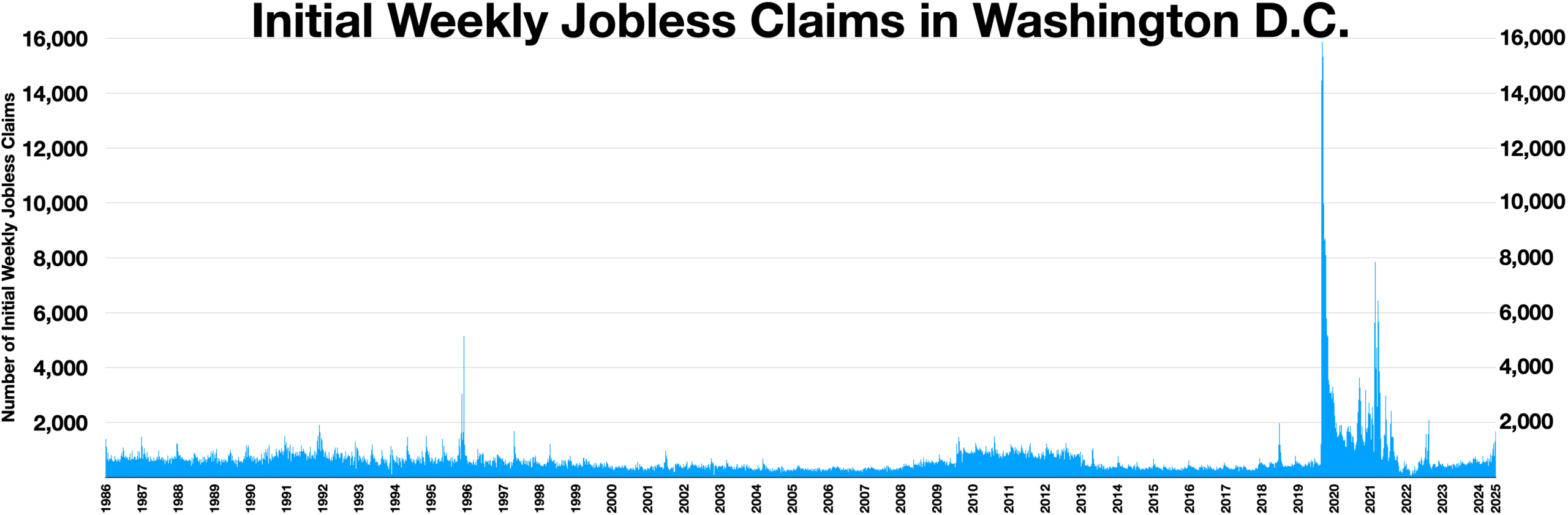
Weekly jobless claims are at near 57-year lows, reflecting a robust labor market. Meanwhile, price reductions are boosting new home sales.
Current Trends in Jobless Claims
Recent data indicates that weekly jobless claims are nearing a significant milestone, reflecting a resilient labor market. This trend is marked by a notable decrease in claims, suggesting that fewer individuals are seeking unemployment benefits. Analysts attribute this decline to various factors that contribute to job stability and economic growth.
Among the key drivers are:
- Robust job creation: The economy continues to add jobs across multiple sectors, providing ample opportunities for workers.
- Strong consumer spending: Increased spending has led to stronger demand for goods and services, thereby supporting employment levels.
- Price reductions in housing: Lower home prices have encouraged new home sales, stimulating construction and related jobs.
As a result, the current low levels of weekly jobless claims bode well for workers, signaling a healthy job market. This stability not only boosts consumer confidence but also fosters a sense of security among employees. Moving forward, it is essential to monitor these trends, as they provide insight into the broader economic landscape and the potential for continued growth in employment opportunities.
Impact of Price Reductions on Home Sales
As the economy witnesses a significant shift, the impact of price reductions on home sales has become increasingly notable. With US weekly jobless claims near 57-year lows, many workers are experiencing a renewed sense of financial stability. This environment has prompted potential homebuyers to re-enter the market, drawn by attractive pricing strategies implemented by sellers.
The decline in home prices has been a catalyst for several positive trends:
- Increased Buyer Activity: Many prospective buyers who had previously hesitated are now seizing the opportunity to purchase homes at a lower cost.
- Stimulated Market Confidence: The reduction in home prices has contributed to a more optimistic outlook among consumers, which may lead to further economic growth.
- Support for Employment: As home sales rise, related industries, such as construction and real estate, may experience job growth, helping to maintain low weekly jobless claims.
Overall, the combination of stable employment and reduced housing costs is fostering a healthier economy. Buyers are not only benefiting from the current market conditions, but they are also contributing to a more robust labor market, ensuring that jobless claims remain at historically low levels.
Historical Context of Jobless Claims
The historical context of weekly jobless claims provides a valuable perspective on the current labor market situation. Over the decades, these claims have served as a key indicator of economic health and workforce stability.
In the early 1970s, weekly jobless claims fluctuated significantly, often exceeding 600,000 during economic downturns. However, as the economy adapted and evolved, the figures began to decline. By the early 2000s, claims had stabilized, averaging around 300,000, reflecting a more resilient labor market.
During the 2008 financial crisis, claims surged dramatically, peaking at over 650,000. This spike highlighted the severe impact of economic turmoil on employment. In contrast, the recovery that followed saw weekly jobless claims gradually decrease, reaching pre-crisis levels.
In recent years, particularly prior to the pandemic, weekly jobless claims had dipped to historic lows, indicating a robust economy. As of now, claims are nearing 57-year lows, presenting a positive outlook for workers. This trend not only suggests a stronger job market but also reflects the effectiveness of various economic policies aimed at reducing unemployment.
Understanding this historical context helps to frame the current trends and offers insight into future developments in the labor market.
Factors Influencing the Labor Market
The landscape of the labor market is shaped by a variety of factors that influence weekly jobless claims and overall employment rates. Understanding these elements is crucial for both workers and policymakers.
Among the key factors affecting the labor market are:
- Economic Growth: When the economy expands, businesses tend to hire more, resulting in lower jobless claims. Conversely, economic downturns often lead to layoffs and increased claims.
- Inflation Rates: High inflation can erode purchasing power, impacting consumer spending and business investment, which may subsequently affect hiring practices.
- Labor Force Participation: Changes in the workforce participation rate can influence the number of jobless claims. An increase in participation often leads to a rise in claims, as more people actively seek employment.
- Technological Advancements: Automation and technology can create new job opportunities while rendering some positions obsolete, leading to fluctuations in jobless claims.
- Government Policies: Initiatives such as unemployment benefits and job training programs can help mitigate job loss impact, ultimately affecting the number of weekly jobless claims.
By monitoring these factors, stakeholders can gain insight into the future dynamics of the labor market.
How Jobless Claims Affect the Economy
The weekly jobless claims data serves as a vital indicator of economic health and labor market conditions. When claims are low, it often signals a robust economy where businesses are hiring and retaining employees. Conversely, a rise in jobless claims can indicate potential economic troubles, as companies may be struggling and forced to lay off workers.
Understanding the implications of jobless claims is crucial for both policymakers and individuals. A decrease in claims can lead to increased consumer confidence, encouraging spending and investment. This can create a positive feedback loop, further stimulating economic growth.
Moreover, the relationship between jobless claims and inflation cannot be overlooked. Low claims can contribute to wage growth as employers compete for workers, which may lead to higher consumer prices. In contrast, rising claims may exert downward pressure on wages, potentially stabilizing or lowering inflation rates.
For workers, a consistent decline in weekly jobless claims is generally seen as good news, as it suggests a stable job market. However, fluctuations in these claims can also prompt caution among employees regarding job security and future prospects.
Keeping a close eye on jobless claims allows for better understanding of economic trends and their potential impact on livelihoods.
New Home Sales: A Growing Trend
As the economy continues to evolve, new home sales are witnessing a significant uptick, driven in part by favorable conditions in the job market. Recent data indicates that US weekly jobless claims are near 57-year lows, providing a solid foundation for consumer confidence. This trend is particularly noteworthy as it aligns with an increase in homebuying activity.
Several factors contribute to this growing trend in new home sales:
- Low Interest Rates: Mortgage rates remain attractive, encouraging potential buyers to enter the market.
- Increased Inventory: Builders are responding to demand by increasing the availability of new homes.
- Price Reductions: Many sellers are lowering prices, making homes more accessible to first-time buyers.
The combination of low weekly jobless claims and these favorable market conditions is fostering a sense of optimism among consumers. As workers feel more secure in their employment, they are more likely to take the leap into homeownership. This trend not only benefits individuals and families but also stimulates broader economic growth, creating a positive feedback loop that supports job creation and financial stability.
Analysts’ Predictions for the Future
As the labor market remains resilient, analysts are closely monitoring weekly jobless claims to gauge the future trajectory of employment. Current data suggests that claims are nearing 57-year lows, indicating a robust job market that may continue to thrive.
Several key predictions have emerged from industry experts:
- Continued Low Claims: Many analysts expect that weekly jobless claims will stay low in the near term, supported by strong consumer spending and business investments.
- Sector-Specific Growth: Certain industries, particularly technology and healthcare, are projected to see job growth, further stabilizing employment figures.
- Potential Economic Headwinds: While the outlook appears positive, some forecasters warn of challenges such as inflation and rising interest rates that could eventually impact job security.
- Adaptive Workforce: Experts believe that ongoing workforce training and skill development will be crucial in preparing workers for evolving job markets.
Overall, the consensus among analysts is cautiously optimistic. As long as economic conditions remain favorable, weekly jobless claims may reflect a continued trend of stability and growth for workers across various sectors.
Conclusion: What This Means for Workers
As the landscape of weekly jobless claims continues to show signs of stability, workers can find a silver lining in the current economic trends. With claims hovering near 57-year lows, the labor market appears resilient, providing a sense of security for employees across various sectors. This stability is crucial, especially as many individuals are concerned about job security amid fluctuating economic conditions.
The relationship between low jobless claims and economic growth cannot be overstated. When fewer people are filing for unemployment benefits, it often indicates a robust job market, which can lead to increased consumer confidence. Workers may feel more empowered to make significant financial decisions, such as purchasing homes or investing in their education, knowing that their jobs are secure.
Moreover, the downward pressure on prices resulting from new home sales can further enhance buying power, allowing workers to invest in their futures. As analysts predict a continuation of these favorable trends, the optimism surrounding job security and economic stability is likely to encourage a more dynamic labor market.
In conclusion, the current state of weekly jobless claims signals a positive outlook for workers, fostering an environment of growth and opportunity.
By Wikideas1 via Openverse
One thought on “Weekly jobless claims: What’s the best news for workers?”