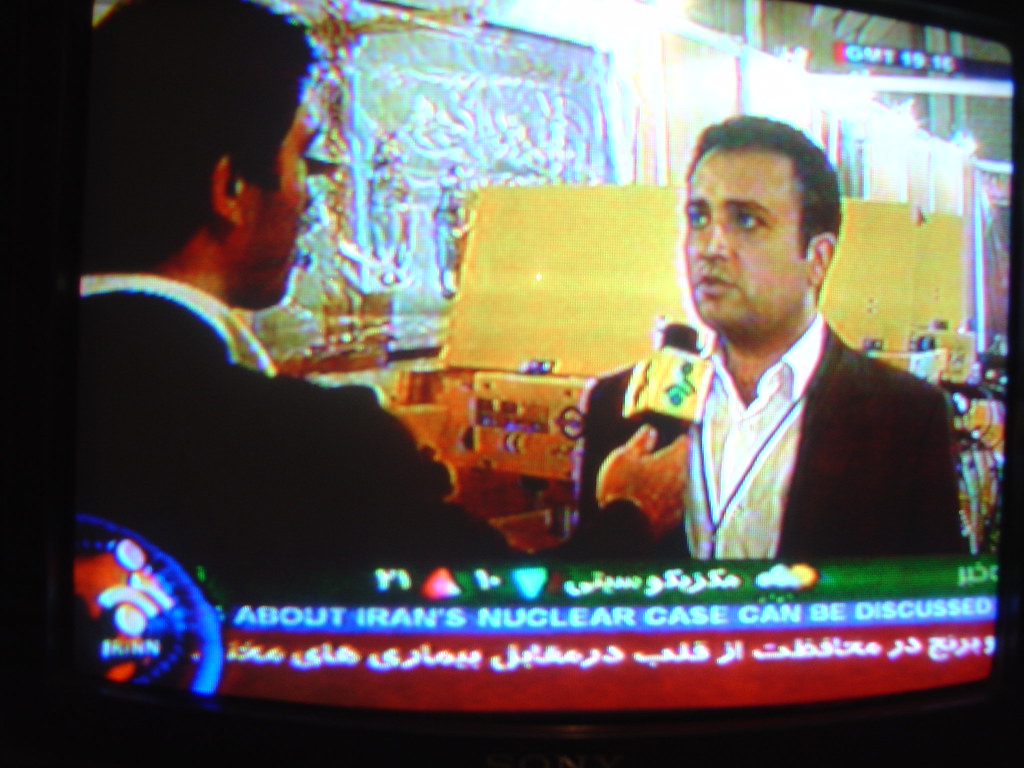
Iran peace talks are currently taking place, yet the country shows no willingness to compromise on US nuclear demands. This situation highlights the complexities of international negotiations and the challenges faced by both sides.
Understanding Iran’s Position
The ongoing Iran peace talks reveal a complex web of motivations driving the nation’s stance. Understanding Iran’s position requires an examination of several key factors that influence its diplomatic approach.
- National Sovereignty: Iran prioritizes its sovereignty and is committed to maintaining its independence in negotiations. This emphasis often leads to resistance against perceived external pressures, particularly from the United States.
- Historical Context: Decades of tension between Iran and the West shape its current negotiations. Past experiences, including sanctions and military interventions, contribute to a cautious approach in the peace talks.
- Domestic Politics: Iran’s leadership faces internal pressures that impact its foreign policy. The government must balance national pride with the need for economic relief, which complicates its willingness to make concessions.
- Regional Influence: Iran seeks to assert its influence in the Middle East. Any agreement reached during the peace talks must align with its strategic interests in the region.
In summary, while Iran is engaged in peace talks, its commitment to national integrity and regional ambitions makes it unwilling to yield to demands that it views as undermining its position.
The Role of the US in Negotiations
The ongoing Iran peace talks have been heavily influenced by the role of the United States, particularly under the Trump administration. Analysts argue that the U.S. approach has often been confrontational, which complicates diplomatic efforts. Several key factors are contributing to Iran’s stance in these negotiations:
- Historical Context: Iran’s past experiences with U.S. sanctions and military interventions have led to a deep-seated mistrust.
- Domestic Politics: Iran’s leadership faces pressure to remain resilient against what they perceive as U.S. bullying, which influences their negotiating position.
- Nuclear Deal Legacy: The withdrawal of the U.S. from the Joint Comprehensive Plan of Action (JCPOA) has made Iran wary of committing to any new agreements that could be easily overturned.
- Regional Dynamics: Iran’s regional ambitions and relationships with other countries also play a significant role in the peace talks, making it difficult for U.S. demands to be fully accepted.
As both sides navigate these complex issues, the success of the Iran peace talks will depend on finding common ground amidst deep-rooted suspicions.
Historical Context of US-Iran Relations
The historical context of US-Iran relations is complex and has evolved over decades, significantly influencing the current state of Iran peace talks. The roots of tension can be traced back to the 1953 coup that reinstated the Shah, leading to widespread resentment among Iranians. The 1979 Islamic Revolution marked a turning point, as Iran’s new leadership rejected Western influence and established an anti-American stance.
Since then, several key events have shaped the relationship:
- The Iran Hostage Crisis (1979-1981): Fifty-two American diplomats and citizens were held hostage for 444 days, deepening animosity.
- Sanctions and Isolation: The US imposed numerous economic sanctions over Iran’s nuclear program, further straining ties.
- The Iraq War (2003): The US invasion of Iraq shifted the balance of power in the region, intensifying Iran’s influence.
- The Nuclear Deal (2015): The Joint Comprehensive Plan of Action initially brought hope for improved relations, but its collapse under the Trump administration reignited tensions.
These historical events contribute to Iran’s current stance in negotiations, where it seeks to maintain sovereignty while navigating the complexities of Iran peace talks with the US.
Implications of Stalemate
The current stalemate in the Iran peace talks has significant implications for regional stability and international relations. As negotiations continue to stall, several key factors emerge that could shape the future landscape.
- Escalating Tensions: The lack of progress in talks may lead to heightened tensions between Iran and the West, particularly the United States. This could trigger a series of retaliatory actions that destabilize the already fragile situation in the Middle East.
- Domestic Impact: Internally, Iran faces mounting pressure from hardliners who argue against concessions, leading to potential unrest. The government’s inability to secure a favorable deal may weaken its legitimacy and lead to increased dissent.
- Global Repercussions: The stalemate could also affect global oil markets, as uncertainties surrounding Iran’s nuclear ambitions may prompt fluctuations in prices and supply disruptions.
- Future Negotiations: A prolonged impasse may complicate future negotiations, making it harder for both sides to return to the table and find common ground.
As the Iran peace talks continue to falter, the ramifications extend far beyond the immediate participants, influencing a wide array of geopolitical dynamics.
Global Reactions to the Talks
As the Iran peace talks continue, reactions from the global community have been mixed, reflecting varying interests and perspectives on the negotiations. Many countries express cautious optimism, hoping that dialogue will lead to a stable resolution in the region.
- European Union: The EU has emphasized the importance of diplomacy, urging both sides to remain committed to the negotiating table. Officials believe that a successful outcome could pave the way for improved relations with Iran.
- Russia: Russia has shown support for Iran’s position, advocating for a balanced approach that respects Iran’s sovereignty. Russian diplomats argue that external pressures, particularly from the US, should not dictate the terms of the discussions.
- China: China’s reaction has been more focused on economic implications, as it seeks to maintain its trade ties with Iran. Chinese officials are calling for a fair and equitable resolution that would allow for continued cooperation.
- Regional Neighbors: Countries in the Middle East, particularly Saudi Arabia and Israel, view the talks with skepticism. They worry that any concessions made by the US could embolden Iran’s influence in the region.
Overall, the global response reflects deep-seated concerns over security, economic interests, and the potential for lasting peace in the region.
Potential Outcomes for Peace
As the Iran peace talks progress, several potential outcomes emerge that could significantly impact regional stability and international relations. Understanding these outcomes is crucial for stakeholders involved in the negotiations.
- Increased Diplomatic Engagement: Should both parties find common ground, it could lead to enhanced diplomatic relations not just between Iran and the US, but also with other nations. This engagement may foster cooperation on various global issues, including counterterrorism and trade.
- Economic Incentives: A successful agreement could result in the lifting of sanctions, enabling Iran to reintegrate into the global economy. This reintegration may stimulate growth and improve living conditions for ordinary Iranians.
- Regional Stability: A peaceful resolution might pave the way for greater stability in the Middle East, reducing tensions with neighboring countries and curtailing the influence of militant groups.
- Continued Tensions: Conversely, failure to reach an agreement may lead to prolonged stalemate, exacerbating hostilities and mistrust, which could resonate throughout the region.
Ultimately, the outcomes of the Iran peace talks will depend on the willingness of both sides to compromise and prioritize long-term peace over short-term gains.
The Impact on Regional Stability
The ongoing Iran peace talks play a crucial role in shaping regional stability in the Middle East. As discussions progress, several key factors emerge that could either promote harmony or exacerbate tensions.
- Shifts in Power Dynamics: The outcomes of these talks have the potential to redefine alliances, particularly as neighboring countries assess their positions in light of Iran’s negotiating stance.
- Economic Impact: A resolution may lead to lifted sanctions, allowing for economic recovery that could benefit not just Iran, but also its regional partners and adversaries.
- Security Concerns: Iran’s insistence on maintaining its nuclear program raises concerns among Gulf nations, potentially leading to an arms race and increased military spending.
- Proxy Conflicts: The state of peace negotiations could influence Iran’s engagement in proxy wars across the region, affecting stability in countries like Syria and Yemen.
Thus, while the Iran peace talks appear to be a step towards resolution, the underlying complexities suggest that achieving enduring peace will require careful navigation of these interconnected issues.
Future of Nuclear Agreements
The future of nuclear agreements between Iran and the international community hinges on a complex interplay of political dynamics and national interests. As Iran engages in peace talks, it remains steadfast in its demands, reflecting a broader strategy to safeguard its sovereignty and regional influence.
One of the key factors influencing Iran’s approach is its insistence on the lifting of sanctions that have crippled its economy. The Iranian leadership views these sanctions as unjust and detrimental, making any form of compliance with US nuclear demands increasingly difficult.
Moreover, Iran’s historical experiences with negotiations have left a profound impact on its current stance. The perception of past agreements being undermined fuels skepticism towards new commitments. As a result, Iran seeks assurances that any future nuclear agreements will be respected and upheld by all parties involved.
In this context, the ongoing peace talks serve as a double-edged sword. While they offer a platform for diplomacy, they also reveal the deep-seated mistrust that complicates potential resolutions. The outcome of these discussions will be pivotal in shaping the future of nuclear agreements and ultimately influence the trajectory of Iran peace talks.
The Iran peace talks have revealed deep-seated concerns regarding regional security and economic stability. Understanding these factors is crucial to grasping the real reasons behind their stance in the ongoing negotiations.
By Ensie & Matthias via Openverse