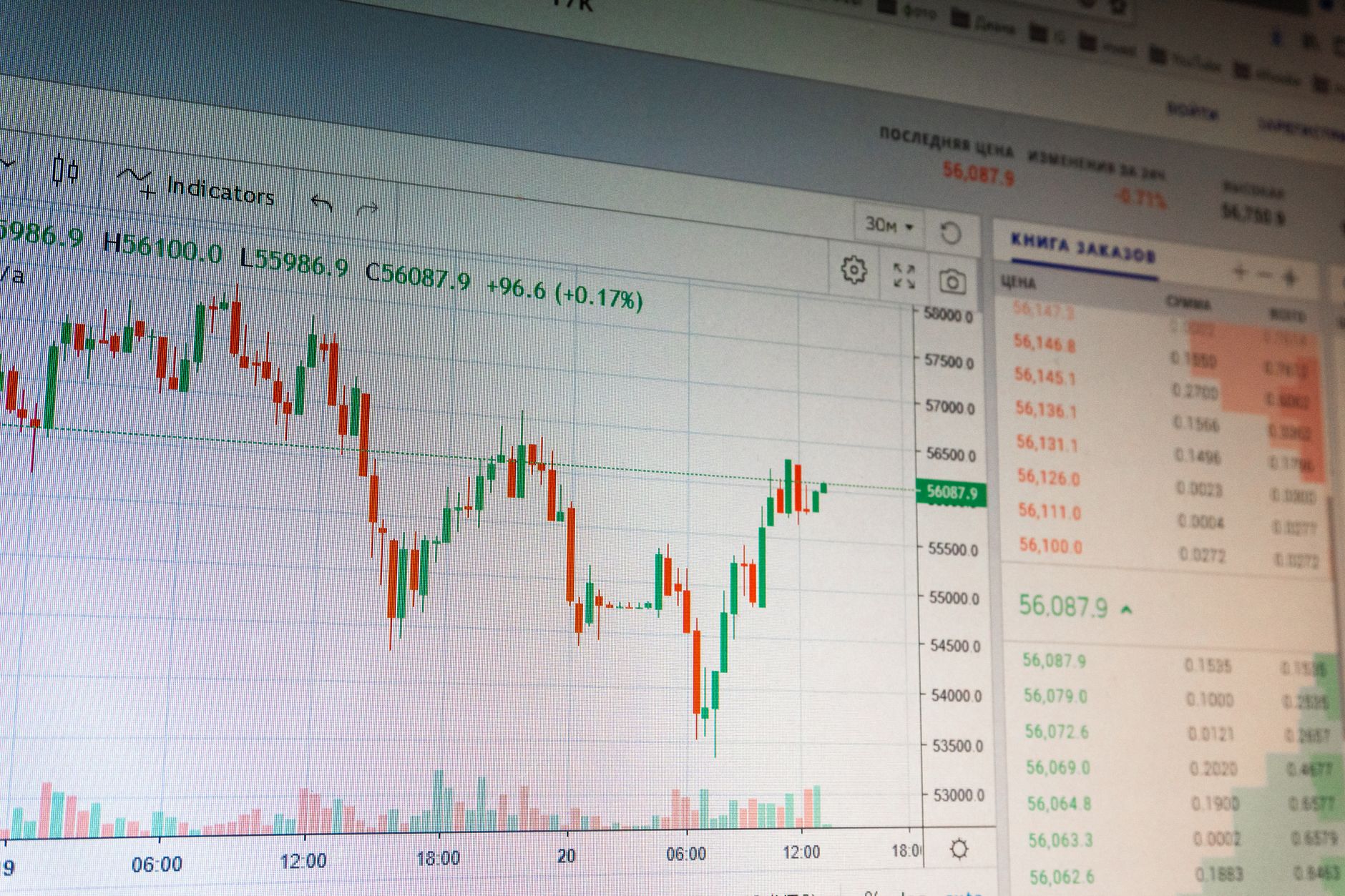
market crashing today has left investors in shock as the Sensex slumps 800 points and Nifty falls below 22,350. Understanding the reasons behind this downturn is crucial for navigating the current economic landscape.
Understanding Today’s Market Crash
Today’s market crash has left investors anxious and questioning the stability of the financial landscape. With the Sensex plummeting by 800 points and Nifty dropping below 22,350, it is crucial to understand the factors contributing to this downturn.
- Global Economic Concerns: Worries about a slowdown in major economies, particularly in the United States, have heightened fears of a recession.
- Rising Inflation: Persistently high inflation rates are eroding consumer purchasing power and impacting corporate profits.
- Interest Rate Hikes: Central banks worldwide are raising interest rates to combat inflation, which can slow down economic growth.
- Geopolitical Tensions: Ongoing conflicts and tensions in various regions are contributing to market instability.
- Corporate Earnings Reports: Disappointing earnings from key companies have led to a loss of investor confidence.
- Market Speculation: Increased speculation and volatility have further exacerbated the situation.
- Investor Sentiment: A general sense of pessimism is driving sell-offs, contributing to the market crashing today.
Key Economic Indicators
As investors grapple with the realities of a market crashing today, several key economic indicators have emerged as significant contributors to the downturn. Understanding these factors is essential for grasping the broader implications of the current financial climate.
- Inflation Rates: Persistent inflation has led to reduced consumer spending, putting pressure on corporate earnings.
- Interest Rates: Recent hikes in interest rates by central banks have increased borrowing costs, negatively impacting investments.
- Unemployment Figures: Rising unemployment rates signal economic weakness, eroding confidence among consumers and businesses alike.
- Supply Chain Disruptions: Ongoing supply chain issues have led to delays and increased costs for many industries, further fueling market instability.
- Geopolitical Tensions: Heightened tensions in global affairs contribute to uncertainty, causing investors to retreat from riskier assets.
- Corporate Earnings Reports: Disappointing earnings announcements have triggered sell-offs, exacerbating the market crashing today.
- Market Sentiment: Fear and pessimism among investors can create a self-fulfilling prophecy, driving prices down even further.
Impact of Global Trends
The ongoing market crashing today can be attributed to a confluence of global trends that have created a perfect storm for investors. Several factors are influencing the current financial landscape, leading to significant declines in major indices.
- Geopolitical Tensions: Rising tensions in various regions have heightened investor anxiety, causing many to pull back on investments.
- Inflation Rates: Persistently high inflation rates are eroding purchasing power, leading to fears of reduced consumer spending.
- Interest Rate Hikes: Central banks worldwide are increasing interest rates to combat inflation, which has historically led to market slowdowns.
- Supply Chain Disruptions: Ongoing supply chain issues continue to affect production and distribution, impacting overall economic performance.
- Corporate Earnings Reports: Recent earnings reports have shown disappointing results, further fueling concerns about the market’s sustainability.
These interconnected global dynamics contribute to the volatility, leaving investors uncertain about the future.
Investor Reactions to the Slump
Investor reactions to the market crashing today have been swift and varied, reflecting the anxiety permeating the financial landscape. Many traders took to social media to express their concerns, with sentiments ranging from panic to cautious optimism.
Among the most common reactions, investors highlighted the following:
- Increased Volatility: The rapid fluctuations have left many feeling vulnerable and uncertain about their investments.
- Sell-offs: A significant number of investors opted to liquidate assets, fearing further declines.
- Focus on Fundamentals: Some are reassessing company fundamentals, looking for opportunities in undervalued stocks.
- Seeking Safety: Bonds and precious metals have seen increased interest as investors seek refuge from the volatility in equities.
- Long-term Strategy: Certain investors believe that staying invested is crucial, citing potential recovery in the long run.
The diverse responses illustrate the complexity of navigating a market in turmoil.
Historical Context of Market Crashes
The phenomenon of market crashing today is not unprecedented, as history has shown numerous instances where stock markets have experienced significant downturns. Understanding these past events can provide valuable insights into the current situation.
Historically, major crashes often stemmed from a combination of economic, political, and social factors. Some notable market crashes include:
- The Great Depression (1929) – Triggered by rampant speculation and a loss of investor confidence, leading to a decade-long economic downturn.
- The Dot-com Bubble (2000) – The overvaluation of internet companies resulted in a rapid decline when investors realized many were not financially viable.
- The Financial Crisis (2008) – A collapse in the housing market and the failure of major financial institutions led to a global recession.
Each of these events shares common elements with today’s market crashing, highlighting the cyclical nature of economic downturns.
Future Outlook for Investors
As the market crashing today continues to unfold, investors are left grappling with uncertainty about the future. Analysts suggest that the current slump may not be a short-term issue, prompting a reassessment of investment strategies.
Several factors could shape the future outlook:
- Economic Recovery: If key economic indicators show signs of recovery, investors may regain confidence.
- Regulatory Changes: Potential government interventions could stabilize markets, but the effectiveness remains uncertain.
- Global Trends: Ongoing geopolitical tensions and international trade dynamics will likely influence market performance.
- Sector Performance: Some sectors may outperform others, leading investors to diversify portfolios strategically.
- Market Sentiment: Psychological factors, including investor sentiment, can either exacerbate or mitigate the ongoing downturn.
In conclusion, while the current market crashing today presents challenges, it also offers opportunities for those willing to adapt and remain informed.
Photo by Monstera Production on Pexels
Where this came from
You might also like
October Amazon Prime Day 2026 Deals: Best Proven Discounts · Door to Door Contraceptives: Is This the Best Solution? · Turkey Support Saudi Arabia: Proven Strategy for Stability
One thought on “Market Crashing Today: The Worst Factors Behind the Slump”