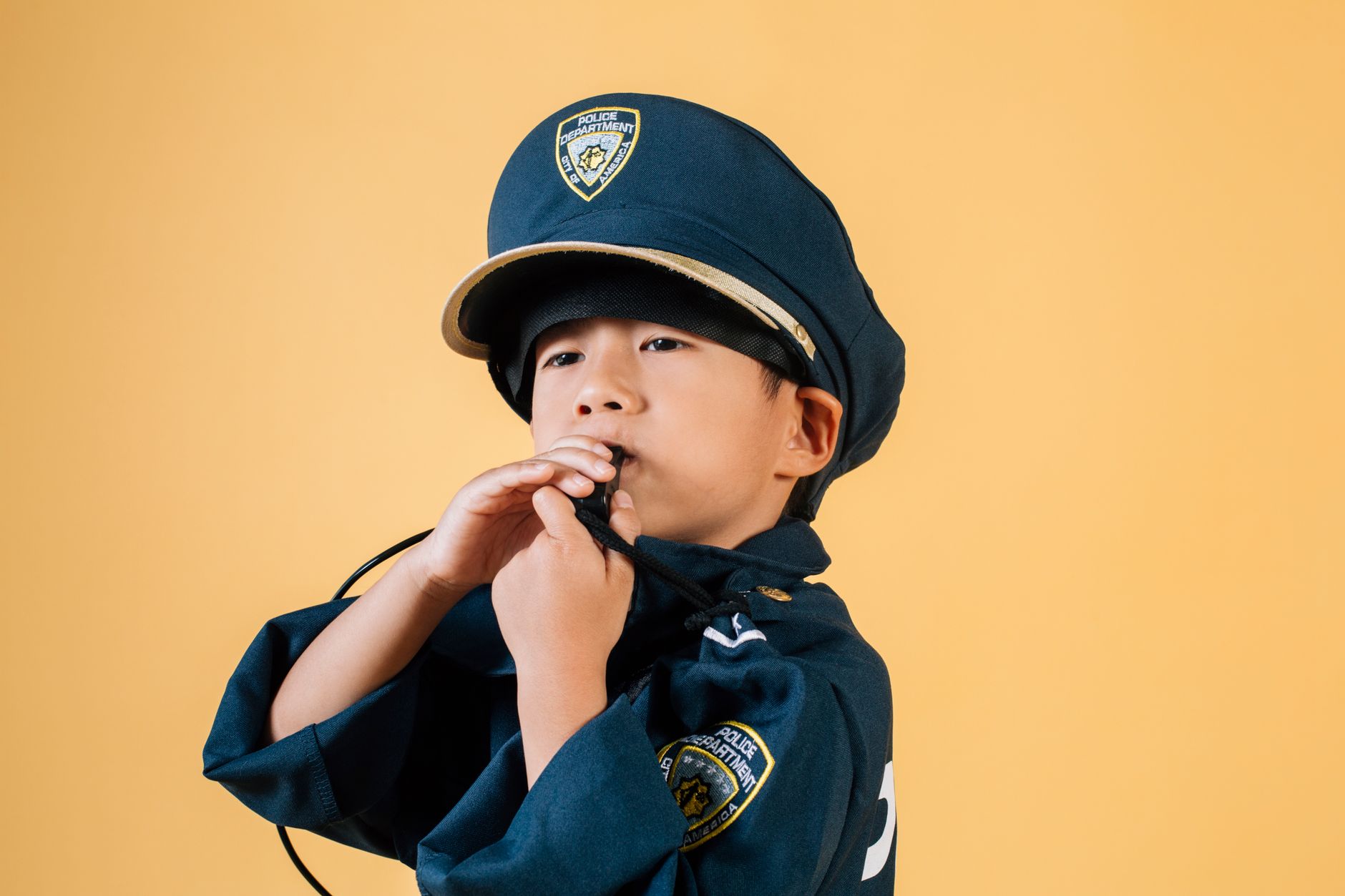
When child breaks the law, the justice system must prioritize rehabilitation over punishment. Justice BV Nagarathna emphasizes the importance of treating young offenders with care and understanding.
Understanding Child Offenders
Understanding child offenders is crucial in addressing the issue of juvenile delinquency. When a child breaks the law, it is essential to consider their age, maturity, and the circumstances surrounding their actions. Many young offenders lack the cognitive ability to fully grasp the consequences of their decisions.
The legal system often treats child offenders differently than adults, aiming to rehabilitate rather than punish. This approach recognizes that children are still developing and can benefit from guidance and support. Key factors in understanding child offenders include:
- Developmental Psychology: Children think and behave differently than adults, influenced by their environment and experiences.
- Social Influences: Peer pressure and family dynamics can significantly impact a child’s choices.
- Access to Resources: Lack of education and support can lead to misguided decisions, pushing a child toward delinquency.
It is vital for society to provide appropriate interventions and support systems that address the root causes of juvenile offenses. By focusing on rehabilitation, we can help young offenders redirect their paths and contribute positively to society.
The Role of Justice in Rehabilitation
The justice system plays a crucial role in the rehabilitation of young offenders, especially when a child breaks the law. The aim is not merely to punish but to provide guidance and support that can lead to positive changes in behavior.
Experts argue that traditional punitive measures often fail to address the underlying issues that lead to criminal behavior in children. Instead, a rehabilitative approach focuses on understanding the circumstances surrounding each case. This includes:
- Psychological Assessment: Identifying emotional or behavioral issues that may contribute to criminal actions.
- Educational Programs: Providing learning opportunities that help children develop skills and knowledge to avoid future offenses.
- Community Service: Encouraging children to give back to society, fostering a sense of responsibility and belonging.
Furthermore, involving families in the rehabilitation process is essential. Support from parents and guardians can significantly influence a child’s ability to reintegrate into society successfully. Ultimately, a balanced and compassionate approach to justice can transform young lives, ensuring that when a child breaks the law, they are given a chance to learn and grow rather than be defined by their mistakes.
Child Breaks the Law: What Happens Next?
When a child breaks the law, the consequences can be both complex and sensitive. It is essential to recognize that young offenders are often in a critical stage of development, which requires a thoughtful approach from the justice system. The primary objective should be rehabilitation rather than punishment.
Once a child is apprehended for a legal infraction, the legal process typically involves several key steps:
- Assessment: Authorities assess the child’s background, motivations, and the circumstances surrounding the offense.
- Legal Representation: It is vital that the child has proper legal representation to navigate the complexities of the justice system.
- Intervention Programs: Many jurisdictions offer diversion programs that focus on education and behavioral correction rather than incarceration.
- Court Proceedings: If the case goes to court, the emphasis is often on restorative justice, aiming to repair harm rather than impose harsh penalties.
Ultimately, the approach taken when a child breaks the law should emphasize understanding and support, ensuring that young offenders have the opportunity to learn from their mistakes and reintegrate positively into society.
Challenges in the Juvenile Justice System
The juvenile justice system faces numerous challenges when addressing cases where a child breaks the law. These difficulties often stem from a lack of resources, inadequate training for personnel, and varying state laws that can lead to inconsistent treatment of young offenders.
One significant challenge is the balancing act between accountability and rehabilitation. While the intention is to correct behavior, many systems struggle to provide adequate support for emotional and psychological needs. This can lead to a revolving door effect, where children repeatedly offend due to insufficient intervention.
Additionally, societal perceptions of young offenders often skew towards punishment rather than understanding. Many adults may believe that children who break the law should face severe consequences, overlooking the fact that these individuals are still developing and learning from their experiences.
- Lack of Resources: Many juvenile facilities are overcrowded and underfunded, limiting their ability to offer effective rehabilitation programs.
- Inconsistent Policies: Variations in laws across states can lead to disparities in how justice is administered.
- Stigmatization: Children labeled as offenders may face lifelong repercussions, impacting their future opportunities.
Ultimately, addressing these challenges is crucial for creating a more equitable system that prioritizes the well-being of children who break the law.
BV Nagarathna’s Perspective on Youth Justice
Justice BV Nagarathna emphasizes a compassionate approach to cases where a child breaks the law. She argues that the primary objective of the justice system should be rehabilitation rather than punishment. According to her, young offenders are often victims of their circumstances and require support to reintegrate into society.
In her perspective, the legal framework must prioritize the well-being of the child. She states that:
- Understanding Context: Many children who break the law do so due to adverse socio-economic conditions.
- Focus on Rehabilitation: Instead of harsh penalties, programs aimed at education and skill development should be implemented.
- Parental Involvement: Engaging families in the rehabilitation process can significantly aid in a child’s reintegration.
- Community Support: Building a support system within communities can help deter youth from criminal activities.
Nagarathna insists that society must view young offenders with empathy, recognizing their potential for change. Her insights advocate for a justice system that not only acknowledges the mistakes of youth but also fosters an environment conducive to personal growth and societal contribution.
Future of Child Law in India
The future of child law in India is a crucial topic as society grapples with the implications of young offenders within the legal system. When a child breaks the law, it raises significant questions about justice, rehabilitation, and the role of community support. The emphasis must shift towards a system that prioritizes the well-being and development of the child, rather than punitive measures alone.
Experts advocate for reforms that focus on:
- Restorative Justice: Creating pathways for reconciliation between the offender and the affected parties, encouraging understanding and healing.
- Education and Support: Implementing programs that address the root causes of delinquency and support the child’s reintegration into society.
- Community Involvement: Engaging local communities in supporting young offenders, creating a network of guidance and mentorship.
- Legal Reforms: Updating existing laws to ensure they are child-centric and align with international standards on children’s rights.
As discussions around these reforms continue, the overarching goal remains clear: to ensure that when a child breaks the law, the legal system responds in a manner that fosters growth and rehabilitation, ultimately benefiting society as a whole.
When a child breaks the law, it is essential to balance accountability with understanding their developmental needs. Society must consider the circumstances surrounding the incident to ensure that when a child breaks the law, they receive the appropriate support and rehabilitation.
Photo by Amina Filkins on Pexels
One thought on “Child Breaks The Law: Right Justice for Young Offenders”