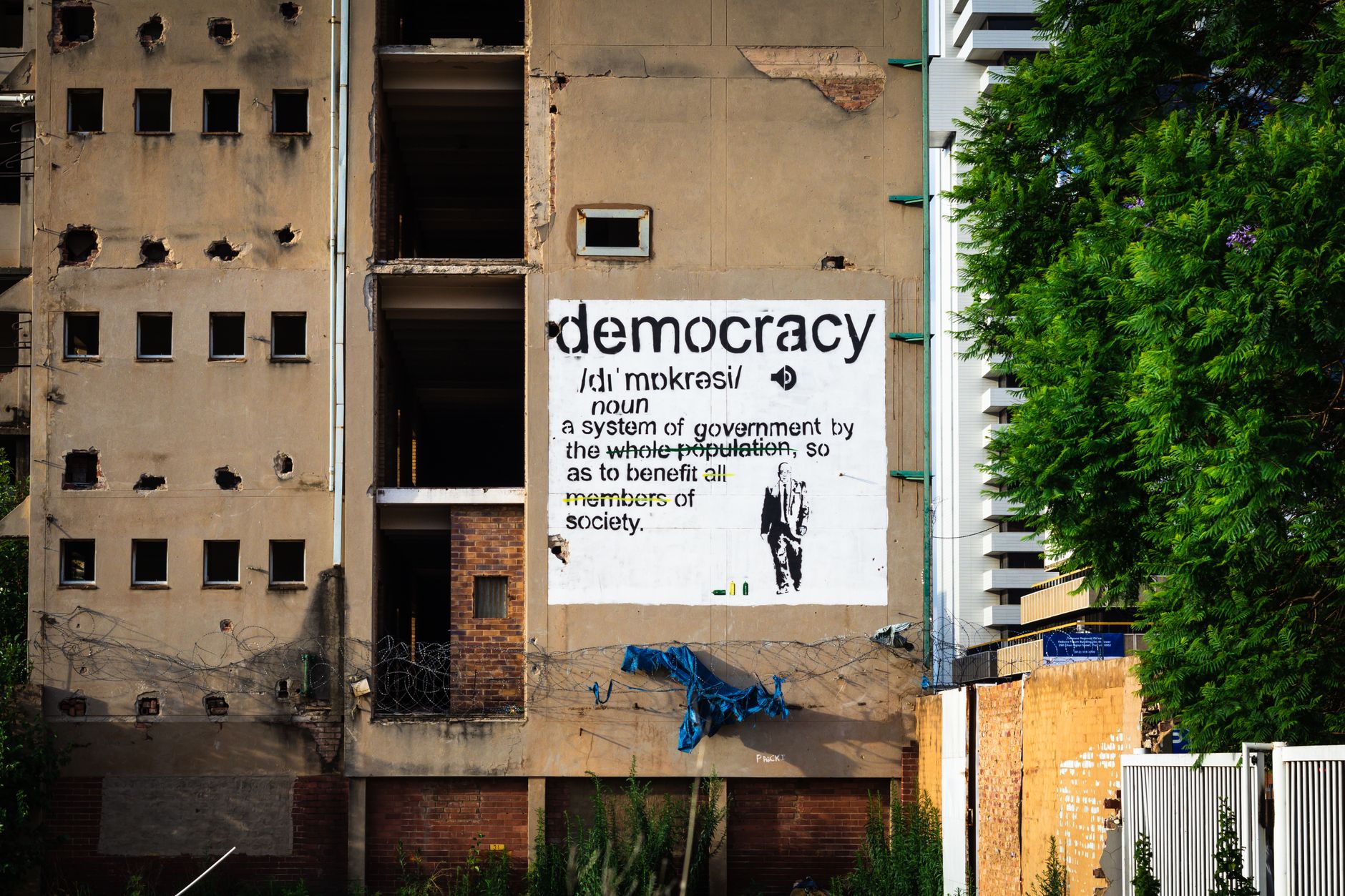
The mother of democracy concept is at the forefront of PM Modi’s vision to empower the nation. His recent pitch emphasizes the importance of democratic values in India’s growth.
Understanding PM Modi’s Vision
Prime Minister Narendra Modi has consistently emphasized India’s role as the mother of democracy, advocating for a vision that aims to empower citizens and enhance their participation in governance. During recent speeches, Modi has articulated a strategy that focuses on several key pillars:
- Decentralization: Aiming to shift power from centralized authorities to local governments, thereby enabling communities to make decisions that affect their lives.
- Digital Empowerment: Promoting the use of technology to facilitate transparency and accessibility in government services.
- Inclusivity: Ensuring that marginalized voices are heard and integrated into the democratic process, fostering a more equitable society.
- Economic Growth: Linking democratic governance with economic opportunity, which Modi argues is essential for sustaining a vibrant democracy.
Critics, however, question whether these initiatives genuinely reflect a commitment to democratic values or serve to consolidate power. As India grapples with these complex dynamics, the debate over Modi’s vision continues to shape its democratic landscape.
The Importance of Democracy in India
The concept of democracy holds a central place in India’s identity, often referred to as the mother of democracy. This idea is not just a political framework but a way of life that fosters inclusivity, freedom, and justice for all citizens.
In recent years, the significance of democracy in India has become increasingly pronounced, as it serves as a foundation for:
- Empowerment: Democracy allows citizens to have a voice in governance, making them active participants in shaping their future.
- Accountability: Elected officials are held responsible for their actions, ensuring that power is not misused.
- Diversity: India’s multitude of cultures, languages, and traditions is celebrated through democratic practices that encourage participation from all segments of society.
- Progress: A robust democratic framework is essential for sustainable development, as it promotes transparency and encourages innovation.
As India continues to navigate the complexities of modern governance, the essence of being the mother of democracy remains a guiding principle for its people.
How India Became the Mother of Democracy
India, often referred to as the mother of democracy, has a rich history of democratic governance that dates back to its independence in 1947. With a diverse population of over 1.4 billion people, the country showcases a unique model of democracy that emphasizes inclusion and representation.
The essence of India’s democracy lies in its constitution, which guarantees fundamental rights and freedoms to all citizens. This framework has allowed various voices and cultures to coexist, making it a vibrant tapestry of ideas and beliefs. The democratic process in India is characterized by:
- Universal suffrage: Every citizen has the right to vote, regardless of caste, creed, or gender.
- Multi-party system: A wide array of political parties represents different interests and ideologies.
- Judicial independence: An autonomous judiciary that upholds the rule of law and protects citizens’ rights.
These elements contribute to the perception of India as the mother of democracy, reinforcing its commitment to democratic ideals in the face of modern challenges.
Empowerment Through Democratic Values
Empowerment through democratic values is crucial for the growth and development of any nation. In the context of India, often referred to as the mother of democracy, these values serve as the foundation for societal progress and individual freedom. Prime Minister Modi emphasizes a vision that champions the principle of “power to empower,” aiming to uplift marginalized communities and ensure their active participation in the democratic process.
By fostering an inclusive environment, the government aspires to:
- Enhance representation: Ensuring that all voices are heard in decision-making processes.
- Promote education: Equipping citizens with the knowledge needed to engage effectively in democracy.
- Encourage civic participation: Motivating individuals to take part in governance and community-building activities.
As India navigates complex challenges, the commitment to uphold its democratic values remains essential. The path forward lies in empowering every citizen, reinforcing the idea that democracy is not just a form of government, but a way of life.
Critics of Modi’s Approach
Critics of Prime Minister Narendra Modi’s approach argue that his vision for India, while ambitious, undermines the very essence of the country’s identity as the “mother of democracy.” They express concerns that his policies may prioritize centralization of power over democratic participation.
Among the main criticisms are:
- Concentration of Power: Detractors claim that Modi’s government has increasingly sidelined democratic institutions, fostering an environment where dissent is often stifled.
- Marginalization of Minorities: Critics contend that policies enacted under Modi have disproportionately affected marginalized communities, raising concerns about social equity.
- Erosion of Civil Liberties: Many assert that freedom of speech and press have diminished, as media outlets face pressure to conform to government narratives.
- Lack of Inclusivity: Opponents argue that Modi’s vision does not adequately represent the diverse voices that constitute the fabric of Indian society.
Thus, while Modi promotes his vision as empowering, critics fear it may lead to a dilution of the democratic values that define India as the mother of democracy.
Global Perspective on Indian Democracy
The concept of India as the mother of democracy resonates globally, highlighting the country’s unique democratic journey. As the world’s largest democracy, India has become a focal point for discussions on democratic values and practices.
Internationally, many view India’s democratic framework as a model for emerging nations. However, this perspective is nuanced by the challenges faced within the country. Critics argue that while PM Modi’s vision emphasizes empowerment, it has also sparked debates about the erosion of democratic institutions.
Key issues include:
- Freedom of speech: Concerns about censorship and suppression of dissenting voices.
- Minority rights: The treatment of various religious and social groups.
- Judicial independence: The influence of the executive branch on the judiciary.
As India continues to define its identity as the mother of democracy, the global community watches closely, weighing the implications of PM Modi’s policies on this storied democratic legacy.
Future of Democracy in India
The future of democracy in India remains a topic of intense debate, especially in light of Prime Minister Modi’s vision. As he promotes India as the mother of democracy, questions arise regarding the implications of his policies on democratic values and institutions. Many citizens are concerned about the potential erosion of democratic norms in favor of a more centralized power structure.
Proponents argue that Modi’s approach fosters economic growth and national pride, suggesting that a strong government can better address the needs of its people. However, critics warn that this could lead to authoritarianism, stifling dissent and undermining the very principles that make India a vibrant democracy.
Furthermore, the role of civil society and the media has become increasingly vital in safeguarding democratic processes. Engaging citizens in meaningful dialogue and ensuring transparency are essential for maintaining India’s status as the mother of democracy. The path forward will depend on the collective commitment to uphold democratic values while navigating the challenges posed by changing political landscapes.
Conclusion: The Path Forward
In conclusion, as India positions itself as the mother of democracy, it is crucial to evaluate whether Prime Minister Modi’s vision aligns with this legacy. The path forward must prioritize transparency, inclusivity, and respect for diverse opinions, ensuring that all voices are heard in the democratic process.
Moving ahead, it is essential for the government to:
- Foster open dialogue among citizens to bridge gaps between differing viewpoints.
- Empower marginalized communities to participate actively in governance and decision-making.
- Strengthen institutions that uphold democratic values, ensuring their independence from political influence.
- Promote civic education to enhance public understanding of democratic rights and responsibilities.
By embracing these principles, India can truly honor its identity as the mother of democracy and pave the way for a more robust, vibrant, and equitable democratic future. The journey requires collective effort and commitment from both leaders and citizens alike.
Photo by Clayton on Pexels

One thought on “Mother of Democracy: Is Modi’s Vision Really Worth It?”