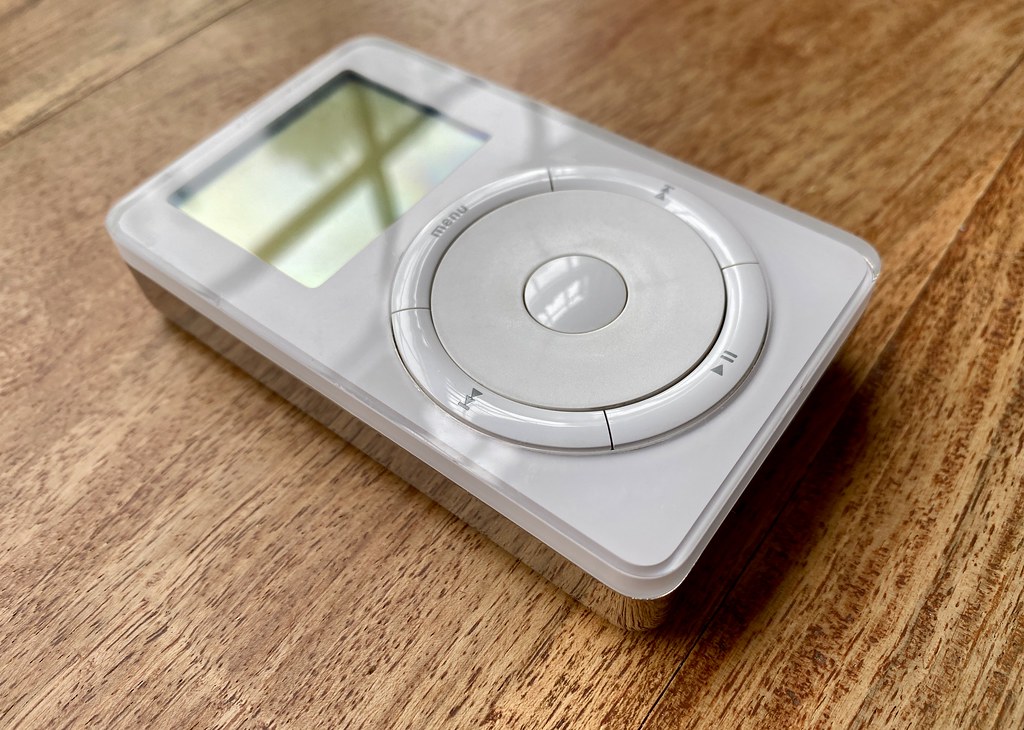
The original iPod is making a comeback as an Apple Music easter egg, delighting fans and music lovers alike. This nostalgic revival highlights Apple’s innovative approach to merging past and present.
Apple’s Innovative Approach to Music
Apple has always been at the forefront of innovation, especially when it comes to music and technology. The introduction of the original iPod in 2001 revolutionized the way people listened to music, paving the way for the digital music era. With the resurgence of interest in vintage tech, Apple has cleverly integrated the original iPod as an Apple Music easter egg, paying homage to its rich history.
This easter egg serves as a reminder of how far Apple has come in its approach to music consumption. By blending nostalgia with modern technology, Apple highlights its commitment to preserving the legacy of its groundbreaking products. Users can now experience the charm of the original iPod interface within the Apple Music app, which not only enhances user engagement but also introduces a unique way to explore music.
Among the key features of this easter egg are:
- Iconic Click Wheel: Users can navigate through their playlists just as they would have on the original device.
- Classic Aesthetic: The visual design pays tribute to the iPod’s signature look, evoking a sense of nostalgia.
- Curated Playlists: The app offers playlists that reflect the music trends of the early 2000s, allowing users to relive their favorite tracks.
In a world dominated by streaming services, the reintroduction of the original iPod as an easter egg underscores Apple’s innovative approach to music, blending the old with the new.
The History of the iPod
The original iPod, launched in 2001, marked a significant turning point in the way people consumed music. Apple, under the leadership of Steve Jobs, revolutionized the portable music player market with a device that was not only functional but also stylish. The sleek design and user-friendly interface set the original iPod apart from its competitors.
Initially, the original iPod featured a mechanical scroll wheel and could hold up to 1,000 songs, a remarkable feat at the time. This capacity allowed users to carry their entire music library in their pockets, a concept previously unheard of. As the years progressed, Apple continued to innovate, releasing various models that enhanced the original iPod’s capabilities, including the addition of color displays and touchscreens.
In the years that followed, the iPod family expanded with the introduction of the iPod Mini, iPod Nano, and iPod Touch, each contributing to the device’s legacy. The original iPod laid the groundwork for these advancements, creating a cultural shift in music consumption.
Today, the original iPod is often remembered not just for its practicality but for its role in the music industry. Apple’s recent revival of this iconic device as an Apple Music easter egg has reignited interest in its history and significance, making it a nostalgic symbol for many music lovers.
How the iPod Changed Music Forever
The launch of the original iPod in 2001 marked a significant turning point in the music industry. With its sleek design and groundbreaking features, the iPod revolutionized the way people consumed music. No longer were individuals confined to bulky CD players or cassette tapes; instead, they could carry thousands of songs in their pockets, all thanks to Apple’s innovative technology.
One of the key aspects that changed music forever was the introduction of the iTunes Store, which allowed users to purchase and download music legally. This shift not only provided artists with a new platform to reach their audiences but also transformed the concept of owning music. Consumers began to embrace digital music, leading to the decline of physical media sales.
Moreover, the original iPod fostered a new culture of music sharing and discovery. Users could create personalized playlists and share them with friends, leading to the rise of curated music experiences. This personalization aspect became a cornerstone of what we now know as music streaming services.
As Apple continues to celebrate the legacy of the original iPod, it serves as a reminder of how a single device can change the landscape of an entire industry. Today, it stands as an iconic symbol of innovation, and the easter egg within Apple Music represents a nostalgic homage to its impact on the way we listen to music.
What is an Apple Music Easter Egg?
Apple Music is known for its extensive library and user-friendly interface, but it also harbors delightful surprises in the form of easter eggs. An easter egg in software refers to a hidden feature or inside joke that developers include for users to discover. These little gems can enhance the user experience, often adding a layer of fun and nostalgia.
For many fans of Apple products, one of the most intriguing easter eggs is linked to the original iPod. This device was a groundbreaking innovation that revolutionized how people listen to music, and it continues to hold a special place in the hearts of many. By incorporating elements of the original iPod into Apple Music, the company pays homage to its rich history while also engaging new users.
Some notable examples of Apple Music easter eggs include:
- Hidden songs: Certain tracks may feature surprise remixes or bonus content.
- Visual effects: Users may encounter unique animations or visuals when playing specific songs.
- Throwback playlists: Curated lists that focus on music from the era of the original iPod.
These easter eggs enhance the listening experience, inviting users to explore and appreciate the legacy of the original iPod while enjoying the latest in music streaming technology.
User Reactions to the Original iPod
The revival of the original iPod as an Apple Music easter egg has sparked a wave of nostalgia among users and fans of Apple products. Many have taken to social media to express their excitement, sharing memories of how the iPod transformed their music experiences.
Among the reactions, several users highlighted the significance of the original iPod in their lives:
- Memory Lane: One user tweeted, “Finding the original iPod in Apple Music brought back so many memories of my teenage years. It was my gateway to discovering new music!”
- Classic Design: Another fan commented, “The iconic design of the original iPod still feels timeless. It’s amazing how it influenced so many devices that followed.”
- Apple’s Legacy: A music enthusiast expressed, “The original iPod isn’t just a gadget; it’s a symbol of innovation. Apple Music’s homage to it proves how much they value their history.”
Many users also appreciate the interactive feature, which allows them to explore playlists that reflect the era of the original iPod. As one user put it, “This easter egg is a fun way to celebrate the past while enjoying the present. It really shows how the original iPod changed our relationship with music.”
The reactions highlight a deep-seated affection for the original iPod, further cementing its status as more than just a device, but a cultural milestone.
Comparing Old and New iPod Features
The evolution of the iPod has been significant since the launch of the original iPod in 2001. While modern devices boast advanced features and sleek designs, the original model holds a special place in the hearts of many music enthusiasts.
When comparing the original iPod to its contemporary counterparts, several key differences emerge:
- Storage Capacity: The original iPod offered a mere 5GB of storage, enough for about 1,000 songs. In contrast, today’s models can store thousands of tracks, with capacities reaching up to 1TB or more.
- User Interface: The original used a mechanical scroll wheel and a monochrome display, which, while revolutionary at the time, pales in comparison to the touchscreens and vibrant displays of modern iPods.
- Connectivity: Early iPods relied on FireWire for syncing with computers, whereas current models use wireless options like Bluetooth and Wi-Fi, allowing for seamless streaming from Apple Music.
- Battery Life: The original iPod boasted a battery life of about 10 hours. Today’s iPods can last much longer, with some models supporting up to 24 hours of playback.
Despite these advancements, the original iPod represents a nostalgic turning point for music lovers. Its revival as an Apple Music easter egg highlights the enduring legacy of this iconic device.
The Future of Music Technology
As technology continues to evolve, the future of music technology appears promising, with innovations that seem to draw inspiration from historical milestones like the original iPod. This iconic device not only revolutionized how we listen to music but also set the stage for modern streaming services, including Apple Music.
Emerging trends indicate a shift towards more personalized and immersive listening experiences. Technologies such as augmented reality (AR) and virtual reality (VR) are being explored to create new ways for users to interact with music. For instance, artists may soon release albums that allow fans to experience music in a multi-dimensional space, blending sound with visual elements.
Moreover, advancements in artificial intelligence (AI) are changing how we discover music. AI algorithms can analyze listener preferences, enabling personalized playlists that evolve with individual tastes. This innovation echoes the user-friendly interface and accessibility that the original iPod brought to the music world.
Additionally, the integration of smart devices and the Internet of Things (IoT) is setting the stage for seamless music experiences throughout our environments. With smart speakers and connected devices, users can enjoy a continuous flow of music that adapts to their surroundings.
As we look forward, it’s clear that while the original iPod may be a nostalgic reference point, its legacy continues to inspire and shape the future of music technology.
Why Nostalgia Matters in Tech
Nostalgia plays a significant role in the tech industry, particularly when it comes to products that have left a lasting impact on consumers. The original iPod, released in 2001, is not just a piece of technology; it is a symbol of a transformative era in music consumption. As users reminisce about the days of scrolling through playlists on the click wheel, they are often reminded of the personal experiences and memories associated with the device.
In today’s fast-paced digital landscape, where technology evolves rapidly, nostalgia serves as a comforting reminder of simpler times. This emotional connection can influence consumer behavior and brand loyalty, prompting users to favor products that remind them of cherished moments. Apple has expertly tapped into this sentiment by reviving the original iPod as an Apple Music easter egg.
When people encounter the original iPod within the Apple Music interface, it evokes a sense of warmth and familiarity, reinvigorating their love for the music and memories tied to the device. This powerful emotional trigger not only enhances user experience but also reinforces Apple’s brand identity as a pioneer in music technology.
Ultimately, nostalgia in tech is not just about looking back; it is about creating a bridge between past and present, allowing users to appreciate advancements while cherishing the legacy of innovations like the original iPod.
By blakespot via Openverse
Sources
Related stories
Oil prices rise: What’s the best strategy for investors? · DA Hike 2026: Is a Diwali Gift Coming for Employees? · NYT Strands Hints: The Best Insights for October 23