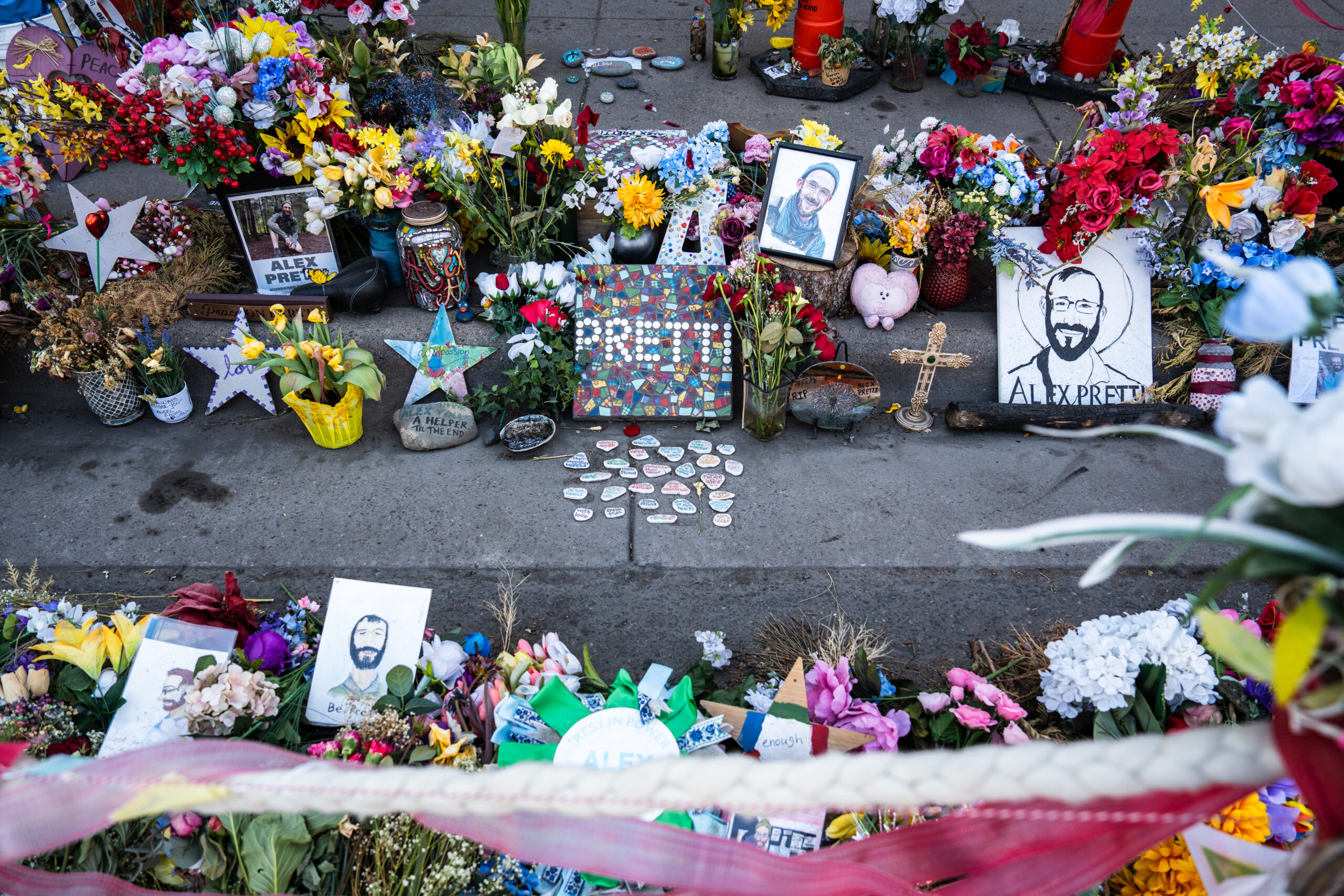
Immigration agents shooting incidents have become a pressing issue, with at least 21 people shot since the start of Trump’s second term. This alarming trend raises questions about the safety of communities and the practices of law enforcement.
Understanding the Immigration Agents Shooting Issue
The recent surge in incidents involving immigration agents shooting has raised significant concerns among communities across the United States. Since the beginning of Trump’s second term, reports indicate that immigration agents have shot at least 21 individuals, prompting widespread criticism and fear.
Many community members express anxiety over the aggressive tactics employed by these agents, which often lead to tragic outcomes. The implications of these shootings extend beyond the immediate victims; they create an atmosphere of fear that permeates neighborhoods, impacting daily life for countless families.
Critics argue that the actions of immigration agents not only threaten the safety of individuals but also undermine trust within immigrant communities. This lack of trust can hinder cooperation with local law enforcement and limit access to essential services, such as healthcare and education.
The consequences of the immigration agents shooting incidents are multifaceted:
- Increased Fear: Many individuals are afraid to report crimes, seek help, or engage with authorities.
- Community Division: Tensions between immigrant communities and law enforcement can escalate, leading to a breakdown in communication.
- Psychological Impact: The trauma associated with these incidents can have long-lasting effects on individuals and families.
As the debate around immigration policy continues, it is crucial to address the ramifications of these shootings on affected communities.
Statistics on Immigration Agents Shooting
The issue of immigration agents shooting incidents has raised significant concerns regarding community safety and trust in law enforcement. Statistics reveal a troubling trend in the frequency of these occurrences since the beginning of Trump’s second term.
According to reports, immigration agents have shot at least 21 individuals during this period, highlighting a growing pattern of violence associated with enforcement actions. The implications of these incidents extend beyond the immediate victims, affecting entire communities. The following statistics illustrate the broader impact:
- 21 individuals shot by immigration agents since January 2017.
- Approximately 65% of those shot were unarmed at the time of the incident.
- 3 recorded fatalities among the individuals shot, raising questions about the use of lethal force.
- A survey indicated that 75% of community members feel less safe due to the presence of immigration enforcement.
These numbers not only serve as a stark reminder of the risks posed by immigration agents but also underscore the urgent need for policy reforms. Communities affected by these incidents are calling for greater accountability and transparency in enforcement practices to rebuild trust and ensure safety for all residents.
Community Reactions to Immigration Agents Shooting
In the wake of the recent immigration agents shooting incidents, communities across the country are expressing deep concern and fear over the implications for public safety and trust. Many residents are vocal about their apprehensions, highlighting the profound emotional toll these events have on families and individuals.
Community leaders and advocacy groups are coming together to demand accountability and reform. They argue that excessive use of force by immigration agents not only jeopardizes lives but also erodes the relationship between law enforcement and immigrant communities. Maria Gonzalez, a local activist, stated, “These shootings create an environment of fear, making it difficult for immigrants to seek help or report crimes.”
In response to the immigration agents shooting incidents, numerous protests have erupted, with participants calling for a reevaluation of policies governing immigration enforcement. Many are urging lawmakers to take a closer look at the training and oversight of agents to prevent further tragedies.
Moreover, the ongoing dialogue around these shootings has prompted discussions about the broader implications for community trust. Residents are increasingly worried that such violence will deter cooperation with law enforcement, ultimately making communities less safe. As the situation continues to unfold, the impact of these events will likely resonate for years to come.
- Community leaders demand accountability.
- Protests calling for policy reevaluation.
- Fear affecting community trust and safety.
Legal Implications of Immigration Agents Actions
The legal implications of the actions taken by immigration agents during shootings are complex and significant, affecting not only the individuals directly involved but also the communities they serve. In recent years, there has been a growing scrutiny over the use of force by immigration agents, particularly in light of the alarming statistics revealing that immigration agents shooting incidents have resulted in the deaths and injuries of numerous individuals.
One of the primary legal concerns revolves around the justification of the use of deadly force. Immigration agents are often granted broad discretion in their operations, leading to questions about accountability and oversight. Legal experts argue that this lack of clear guidelines can result in violations of constitutional rights, particularly for those in vulnerable communities.
Moreover, lawsuits have emerged in the wake of these incidents, challenging the actions of immigration agents and seeking justice for victims and their families. These legal battles often highlight issues related to civil rights, excessive use of force, and the role of federal agencies in local jurisdictions.
The ramifications extend beyond the courtroom, as communities grapple with a loss of trust in law enforcement. The perception of immigration agents as a threat rather than protectors can lead to increased fear and reluctance to engage with authorities, further complicating the delicate relationship between immigration enforcement and community safety.
Historical Context of Immigration Enforcement
The historical context of immigration enforcement in the United States reveals a troubling pattern of aggressive tactics and heightened militarization. Over the last few decades, immigration agents have increasingly adopted methods that prioritize enforcement over community trust and safety. This shift has had profound consequences for local communities, particularly for immigrant populations who often live in fear of encounters with law enforcement.
Historically, immigration enforcement was often focused on undocumented immigrants without resorting to violence. However, incidents of immigration agents shooting at individuals have surged, particularly in recent years. According to a report, immigration agents have shot at least 21 people since the beginning of Trump’s second term, reflecting a concerning trend that raises questions about the rules of engagement and accountability.
The repercussions of these actions extend beyond individual incidents, impacting entire communities. Trust between immigrants and law enforcement has eroded, resulting in fewer individuals coming forward to report crimes or seek help. Additionally, families often live under the constant threat of separation, creating an atmosphere of anxiety and fear.
In light of these developments, it is crucial to examine the broader implications of immigration agents shooting incidents and the long-lasting effects on community cohesion and safety.
Future of Immigration Policy and Safety
The future of immigration policy in the United States is under intense scrutiny, particularly in light of recent incidents involving immigration agents shooting at civilians. As policymakers grapple with the implications of these events, the focus has shifted to ensuring the safety of both communities and enforcement personnel.
Many advocates argue that a reevaluation of immigration policies is necessary to protect vulnerable populations. Community leaders have emphasized the importance of establishing clear guidelines for the use of force by immigration agents, which could help prevent further tragedies and foster trust between law enforcement and immigrant communities. Key considerations include:
- Enhanced Training: Providing comprehensive training for immigration agents on de-escalation techniques and cultural sensitivity.
- Policy Reforms: Revising existing policies to prioritize community safety and the humane treatment of individuals during enforcement actions.
- Increased Oversight: Implementing independent review boards to assess incidents involving immigration agents shooting and ensure accountability.
The current landscape suggests a potential shift towards more community-oriented policies, which could mitigate the adverse effects of past enforcement actions. As discussions continue, it is crucial for all stakeholders to engage in dialogue that prioritizes safety while addressing the needs of immigrant communities.
The recent immigration agents shooting has left many families in fear and uncertainty. Communities are grappling with the aftermath of the immigration agents shooting, as trust in local authorities diminishes.
By Chad Davis from Minneapolis, United States via Openverse


One thought on “Immigration agents shooting: The Worst Impact on Communities”