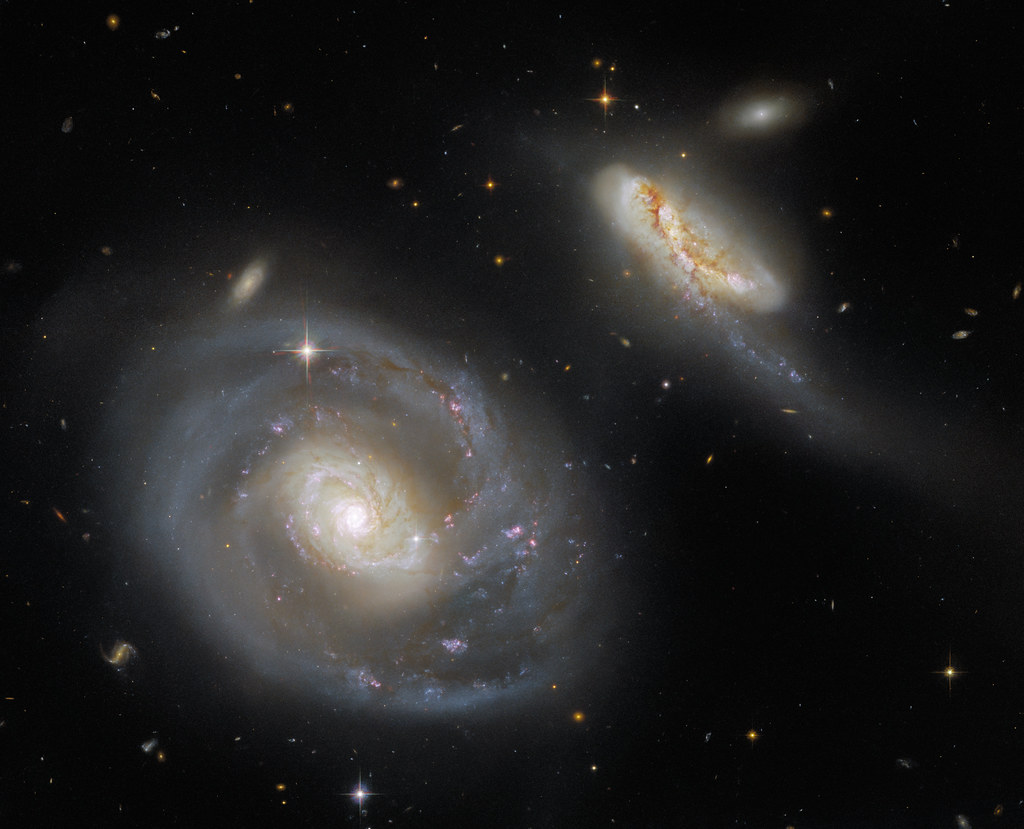
rogue black holes are fascinating objects that wander the cosmos, sharing the histories of their home galaxies. Recent studies have shed light on their origins and impact on the universe.
Understanding Rogue Black Holes
Rogue black holes are intriguing cosmic entities that drift through the universe, untethered from their original galaxies. Unlike typical black holes, which are anchored within the dense centers of galaxies, these wanderers have been ejected from their homes due to gravitational interactions or violent events such as supernovae. Understanding rogue black holes is essential for unraveling the complex dynamics of cosmic evolution.
These black holes vary widely in size and mass, often ranging from a few times to several billion times that of our Sun. Their formation can occur through several mechanisms, including:
- Merger events: When two smaller black holes collide, they can create a larger rogue black hole.
- Galaxy collisions: Interactions between galaxies can fling black holes into intergalactic space.
- Supernova explosions: The violent deaths of massive stars can eject black holes from their parent galaxies.
Rogue black holes may seem isolated, but they play a critical role in the universe’s evolution. Their movements can influence the formation of new stars and galaxies, sharing the histories of their home galaxies as they traverse vast distances in the cosmos.
The Impact of Wandering Black Holes
The existence of rogue black holes has significant implications for our understanding of the universe. These cosmic wanderers, drifting through space without a host galaxy, can tell us more about the formation and evolution of galaxies across cosmic time.
One of the main impacts of wandering black holes is their potential to interact with other celestial objects. When they pass through star clusters, they can disrupt the orbits of stars, leading to:
- Star formation: The gravitational pull of a rogue black hole can trigger the collapse of gas clouds, resulting in new star formation.
- Gravitational waves: The merger of a rogue black hole with another black hole or neutron star can produce detectable gravitational waves, offering insights into the nature of these enigmatic objects.
- Galactic evolution: The movement of rogue black holes through galaxies can influence their structures and dynamics, aiding in our understanding of galaxy formation.
Moreover, studying rogue black holes allows astronomers to explore the history of their home galaxies, as these elusive objects carry traces of their origins. Understanding these cosmic wanderers enriches our knowledge of the universe and its intricate workings.
How Black Holes Share Galactic Histories
Rogue black holes, often found drifting through the cosmos, serve as unique carriers of their home galaxies’ histories. These enigmatic objects possess the ability to influence the environments they traverse, sharing gravitational signatures that can reveal much about their origins.
When a black hole becomes rogue, it is typically ejected from its galaxy due to gravitational interactions or mergers with other massive objects. As they wander, they leave behind a trail of information about the galactic dynamics that birthed them. Scientists have begun to study these black holes to understand:
- The Formation of Galaxies: Rogue black holes can provide insights into how galaxies merge and evolve over time.
- Galactic Cannibalism: These black holes often reveal instances where smaller galaxies were consumed by larger ones, altering the cosmic landscape.
- Cosmic Population Studies: The presence of rogue black holes can help determine the mass distribution of stars in their original galaxies.
By analyzing the paths and behaviors of rogue black holes, astronomers can piece together a cosmic history that stretches across vast distances and time, making these wandering giants pivotal to our understanding of the universe.
Recent Discoveries in Astrophysics
Recent discoveries in astrophysics have shed light on the elusive nature of rogue black holes and their movements through the universe. These cosmic wanderers, which were once considered mere theoretical entities, are now being observed with increasing frequency, revealing their role in galactic evolution and dynamics.
One of the most significant findings comes from the use of advanced telescopes and detection methods that allow astronomers to identify rogue black holes more effectively. Recent studies have shown that these black holes can travel vast distances, often as a result of gravitational interactions during galaxy mergers.
Additionally, researchers have discovered that some rogue black holes may retain traces of their origins, providing insight into the histories of their home galaxies. This is particularly intriguing because it suggests that rogue black holes not only roam the cosmos but also carry with them the stories of the galaxies they once belonged to.
In light of these discoveries, scientists are now intensifying efforts to map the trajectory of rogue black holes and understand their impact on the surrounding cosmic environment. The ongoing research promises to deepen our understanding of the universe and the complex behaviors of these fascinating celestial objects.
By europeanspaceagency via Openverse

One thought on “Rogue Black Holes: The Real Cosmic Wanderers Worth Knowing”