Ukraine peace talks are set to begin in Abu Dhabi, with the U.S. giving Russia an early advantage. This development raises questions about the potential outcomes and the implications for both nations.
Background of the Conflict
The ongoing conflict in Ukraine has roots that extend back to 2014, when Russia annexed Crimea, igniting tensions between Ukraine and Russia. This act was met with international condemnation and led to a series of sanctions against Russia, prompting a cycle of military confrontations in Eastern Ukraine.
Over the years, various attempts at diplomacy and peace agreements have been made, notably the Minsk agreements. However, these efforts have largely failed to bring about lasting peace, with both sides accusing each other of violations. The escalation of military actions and the involvement of foreign nations have complicated the situation further.
As the conflict continued, the humanitarian situation in Ukraine worsened, with millions of people displaced and in need of assistance. The international community has expressed a growing urgency to find a resolution, leading to renewed talks aimed at achieving a ceasefire and a comprehensive peace agreement.
Recently, U.S. officials indicated that discussions regarding the Ukraine peace talks would take place in Abu Dhabi, marking a crucial diplomatic effort. The aim of these talks is to establish a framework for resolution and to address the underlying issues that have fueled the conflict. The outcome of these negotiations remains uncertain, but a clear path to resolution is essential for the stability of the region.
Recent Developments in Ukraine
Recent developments in Ukraine have significantly influenced the ongoing peace talks aimed at resolving the conflict. As the international community gathers in Abu Dhabi, the atmosphere is charged with anticipation and caution. Both sides have expressed a willingness to engage, yet the complexities of the situation remain a major hurdle.
In a surprising turn, the U.S. has taken diplomatic steps that some analysts believe may favor Russia before the negotiations officially commence. This development has raised concerns among Ukrainian officials, who fear that it could undermine their position in the upcoming discussions. The stakes are high, and the outcome of these talks could determine the future of Ukraine and its territorial integrity.
Key factors influencing the peace talks include:
- Military Stalemate: The prolonged conflict has reached a point where both sides are entrenched, leading to calls for a ceasefire.
- International Support: Ukraine continues to receive support from Western nations, complicating Russia’s strategy.
- Humanitarian Crisis: The ongoing conflict has resulted in a severe humanitarian situation, pressing for immediate resolution.
As the peace talks progress, the world watches closely, hoping for a breakthrough that could lead to a sustainable resolution to the crisis in Ukraine.
The Role of the U.S. in Peace Talks
The ongoing Ukraine peace talks have drawn significant attention to the role of the United States in facilitating diplomatic efforts. As a key player in international relations, the U.S. has the capability to influence the outcomes of negotiations, particularly in the context of the conflict between Ukraine and Russia.
Recent reports suggest that the U.S. has taken a cautious approach, seeking to balance support for Ukraine with the need for constructive dialogue. This strategy is evident in the following areas:
- Diplomatic Engagement: The U.S. has engaged in discussions with both Ukrainian and Russian officials, aiming to create a conducive environment for peace talks.
- Military Support: While providing military aid to Ukraine, the U.S. has also emphasized the importance of a peaceful resolution, stressing that military solutions are not sustainable.
- International Collaboration: The U.S. is working closely with allies to present a unified front, ensuring that any agreement reached during the Ukraine peace talks has broad support.
- Sanctions and Incentives: The U.S. has employed a range of sanctions against Russia while also exploring potential incentives for cooperation, which may play a role in future negotiations.
As the peace talks unfold, the effectiveness of U.S. involvement will be crucial in determining the path forward for Ukraine and its sovereignty.
Russia’s Position and Strategy
As the Ukraine peace talks approach, understanding Russia’s position and strategy becomes crucial. The Kremlin has consistently maintained a firm stance on several key issues, which it deems non-negotiable. These include the recognition of Crimea as part of Russia and the demand for the cessation of military support to Ukraine from Western allies.
In recent statements, Russian officials have emphasized that any peace agreement must reflect their strategic interests and security concerns. The following points highlight Russia’s approach:
- Territorial Integrity: Russia insists on the recognition of territories it has annexed, viewing this as essential to its national security.
- Military Presence: The Kremlin desires a reduced NATO presence in Eastern Europe, arguing that it poses a direct threat.
- Economic Sanctions: Russia seeks the lifting of international sanctions as a prerequisite for any lasting peace, claiming they hinder the nation’s recovery.
- Negotiation Leverage: By showcasing its military capabilities, Russia aims to strengthen its bargaining position, believing that a show of force is necessary to compel concessions from Ukraine.
Ultimately, the success of the Ukraine peace talks will depend on the ability of both sides to navigate these complex demands and find common ground, a task made more challenging by the entrenched positions of the Kremlin.
What to Expect from Abu Dhabi Talks
The upcoming Ukraine peace talks in Abu Dhabi are anticipated to be a pivotal moment in the ongoing conflict. With multiple stakeholders involved, the discussions aim to create a framework that promotes stability and fosters cooperation among the nations. Key elements expected to emerge from these talks include:
- Negotiation Framework: A structured approach to negotiations that outlines clear objectives and timelines.
- Ceasefire Agreements: Proposals for immediate ceasefires to de-escalate tensions and allow for humanitarian assistance.
- Territorial Integrity: Discussions surrounding the recognition of Ukraine’s borders and the status of contested regions.
- International Oversight: The potential for third-party involvement to monitor and ensure compliance with any agreements reached.
- Economic Support: Plans to address the economic ramifications of the conflict and provide financial assistance to rebuild affected areas.
As the talks unfold, the dynamics between Russia, Ukraine, and international partners will play a crucial role in determining the outcome. Analysts suggest that a successful negotiation could pave the way for lasting peace and stability in the region. However, challenges remain, and the effectiveness of the Ukraine peace talks will largely depend on the willingness of all parties to compromise and prioritize diplomatic solutions over military actions.
Reactions from Ukraine Officials
In the lead-up to the highly anticipated Ukraine peace talks, Ukrainian officials have expressed a mix of cautious optimism and skepticism regarding the potential outcomes. Many are hopeful that the discussions will bring about a much-needed resolution to the ongoing conflict, yet some remain wary of Russia’s intentions.
Ukrainian President Volodymyr Zelenskyy has reiterated the necessity of a comprehensive peace agreement that prioritizes Ukraine’s sovereignty and territorial integrity. He emphasized the importance of not conceding to demands that could undermine Ukraine’s independence.
Foreign Minister Dmytro Kuleba echoed these sentiments, stating that any peace talks must be grounded in mutual respect and a genuine commitment to ending hostilities. He noted that the Ukrainian delegation would approach the negotiations with a clear understanding of Ukraine’s red lines.
Several officials also raised concerns regarding the concessions that have been suggested in preliminary discussions, viewing them as potentially detrimental to Ukraine’s long-term security. “We must be careful not to give away our hard-earned progress,” one advisor stated.
As the Ukraine peace talks in Abu Dhabi approach, the focus remains on how both sides can navigate their differing positions. The outcome may very well set the tone for future relations in the region and is critical for Ukraine’s path forward.
International Community’s Response
The ongoing Ukraine peace talks have drawn significant attention from the international community, with various nations and organizations weighing in on the potential outcomes. Many countries are keenly observing the negotiations, as the resolution of this conflict holds implications far beyond the borders of Ukraine.
Key responses include:
- European Union: The EU has expressed strong support for Ukraine, emphasizing the need for a diplomatic resolution while also warning against any concessions that could undermine Ukraine’s sovereignty.
- United Nations: The UN Secretary-General has called for a renewed commitment to dialogue, stressing that peace can only be achieved through mutual understanding and respect for international law.
- NATO: NATO officials have reiterated their backing for Ukraine, indicating that collective security remains paramount, and any agreements reached must align with democratic principles.
- China: China has positioned itself as a mediator, urging both sides to come to the table and seek a peaceful solution, while also balancing its relationship with Russia.
- Global Civil Society: Human rights organizations have been vocal about the need for accountability and protection of civilians, advocating for a peace that prioritizes human rights.
As the Ukraine peace talks unfold in Abu Dhabi, the international community’s response will play a crucial role in shaping the future of the region and determining the viability of any agreements reached.
Potential Outcomes of the Negotiations
The ongoing Ukraine peace talks hold significant potential outcomes that could reshape the future of the region. As negotiations progress in Abu Dhabi, various scenarios are emerging that could either foster stability or prolong the conflict.
- Ceasefire Agreement: One of the most immediate outcomes could be a ceasefire agreement, which would halt hostilities and provide a foundation for longer-term negotiations. This step is crucial for rebuilding trust between the parties involved.
- Territorial Concessions: In the pursuit of peace, there may be discussions around territorial concessions. Ukraine’s willingness to consider options regarding its eastern regions could be pivotal in achieving a resolution, although this remains a sensitive topic.
- International Support: A successful negotiation could lead to increased international support for Ukraine. This might include economic aid and military assistance aimed at strengthening Ukraine’s position in future discussions.
- Long-term Stability: Ultimately, the success of the Ukraine peace talks may hinge on establishing a framework for long-term stability and security in the region, addressing not only immediate concerns but also underlying issues that have fueled the conflict.
As the talks unfold, the international community will be closely monitoring the developments, with hopes that a clear path to resolution emerges from the discussions.
The recent developments in Ukraine peace talks have sparked renewed optimism among international leaders. As negotiations progress, the focus remains on finding a sustainable resolution through Ukraine peace talks.
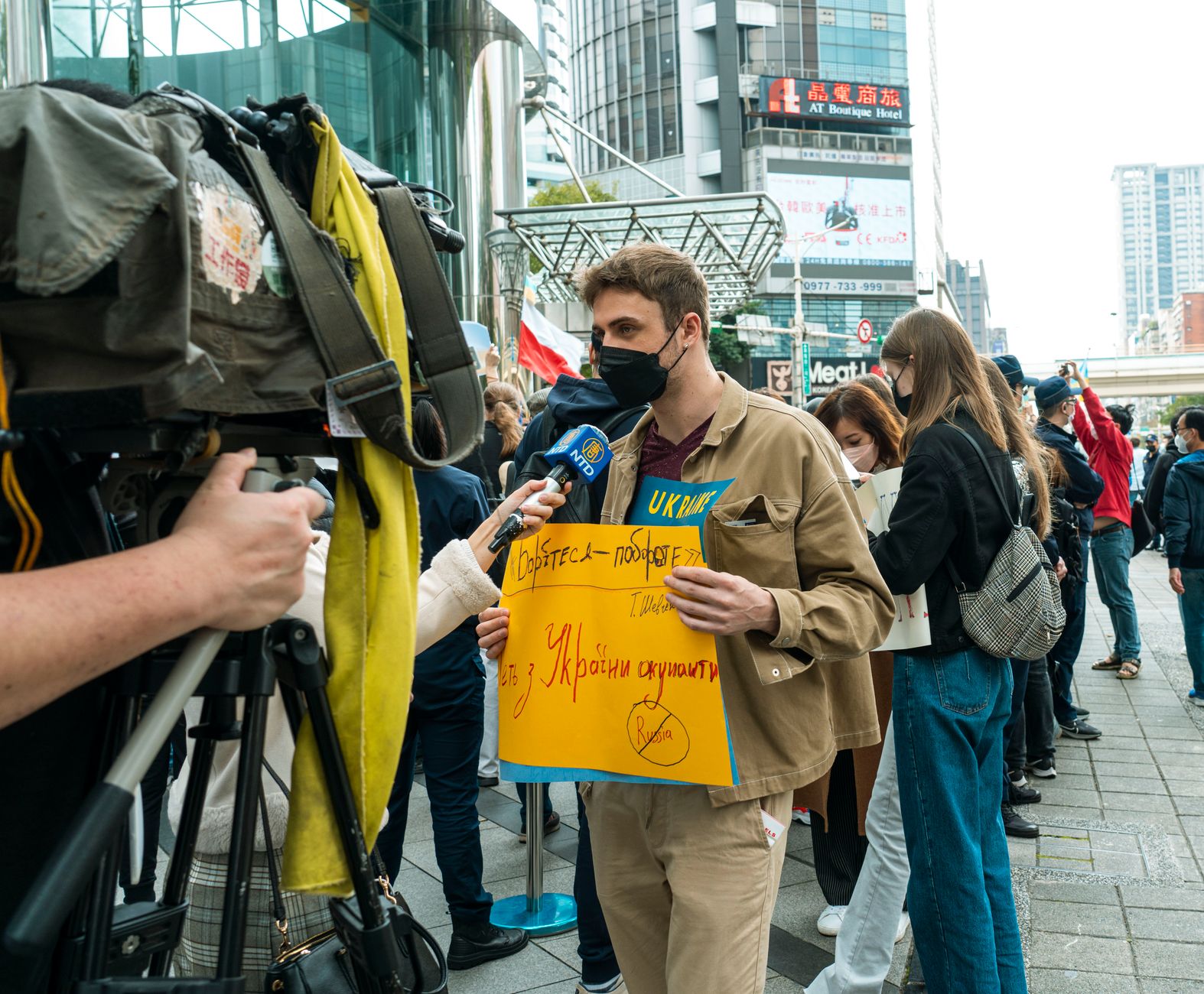
Photo by Jimmy Liao on Pexels